Understanding Hurricane Risks for Texas Homeowners
Texas, especially along the Gulf Coast, faces an annual battle when hurricane season rolls in, typically running from June through November. For families and homeowners, these storms bring a mix of stress and danger, with high winds, days of heavy rain, and the real possibility of flooding. The news and weather reports often focus on boarding up windows and making sure you have enough food and water, but there’s another side to storm readiness that’s just as vital: preparing your home’s plumbing system.
The risks for Texas homes don’t end with wind and rain. Flooding and power outages add another layer of threat. When hurricanes strike, municipal water supplies and sewers are tested to their limits. Torrential rain can cause local drains to overflow, sending dirty water backing up through household pipes and toilets. Sometimes, this contamination makes its way inside, posing a direct health risk to your family. Power cuts may mean you lose access to clean water entirely, and the local water pressure can drop off or become unpredictable, sometimes for days at a time.
Plumbing systems in Texas neighborhoods were not all designed for this kind of stress. Sewer lines can take a beating, as floodwater forced through cracks and bad joints brings debris into pipes. This trashy water causes dangerous blockages and increases pressure on the lines. Once the storm’s passed, you might see entire streets with standing water in yards and basements, creating health and property hazards that demand attention right away. The situation can get even worse if your home uses a sump pump and the power goes out—the tool meant to keep water at bay becomes useless, and water has nowhere to go but inside.
Common plumbing emergencies during hurricane season in Texas include sewer backups, flooded crawl spaces, and broken pipes, which often happen when soil moves or tree roots invade weakened lines. In flood-prone zones, water heaters and exposed pipes are especially at risk. The loss of power makes well pumps and sump pumps fail, leaving your home vulnerable. Without good backflow prevention, contaminated floodwater might get pulled into drinking supplies, risking your health. If you know about these dangers before a hurricane, you can take the steps needed to reduce the risk—planning is your best line of defense.
Pro Tip: Every year before hurricane season starts, call a trusted plumber to check on your main shut-off valve and any backflow prevention devices. These preventative checks are quick compared to the hassle and expense of a true plumbing emergency. Don’t wait until a storm dominates the forecast. Take steps early and protect your home for more than just the season.
Assessing Your Plumbing Vulnerabilities
It’s no secret that the Texas Gulf Coast is on the front lines when hurricane season arrives. Protecting your pipes is more than just common sense—it’s necessary. The first real step in making your home storm-ready is to understand where your plumbing is most at risk. Getting ahead of the curve is much easier than trying to patch up damage when the rain is already falling.
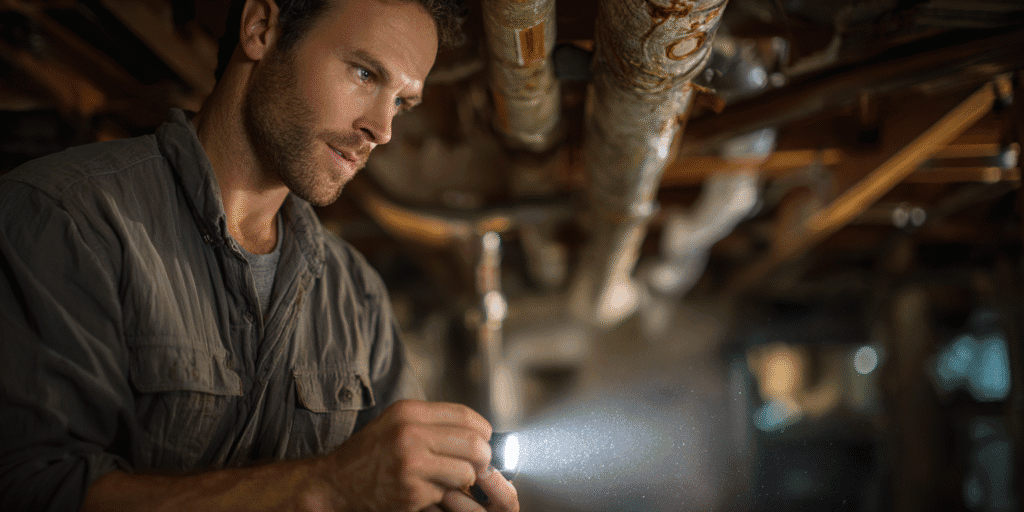
Start with a walkthrough of your entire home. Look for pipes that are exposed, especially in uninsulated places like the garage, crawl spaces, or against exterior walls. These spots are more likely than others to experience issues, as they get hit first by changing temperatures, floods, or pressure shifts. Pay close attention to spots outside your home, such as hose bibs and irrigation lines. If you spot loose fittings, cracks, or even a little bit of dripping, don’t ignore it—small leaks become huge problems during a big storm.
Remember that most homes rely on sump pumps, backflow prevention devices, and sewer lines, all of which get put to the test in extreme weather. Heavy rain can make sump pumps run nonstop. If they become clogged or fail, water seeps in. Backflow preventers are built to keep dirty water from mixing with clean water, but if they haven’t been checked or serviced, they may not work when you need them most.
Signs of trouble often show up before storms even hit. Watch for reduced water pressure, slow draining sinks or tubs, or odd smells coming from drains—these could mean partial pipe blockages, venting problems, or early backflow issues. Gurgling noises in your pipes suggest trapped air or water trying to push past a clog. Stained ceilings or walls can indicate a slow leak that will only get worse under stress. These hints mean it’s time to call a plumber, not just cross your fingers for luck.
If you suddenly notice changes like puddles showing up in your yard away from the rain or plumbing fixtures behaving strangely, act quickly. Certified emergency plumbers can catch problems you might miss, like hairline fractures in pipes or outdated, vulnerable fittings. Scheduling a professional inspection before the season is at its peak is a wise investment; if you take a little action now, you can avoid having to take major, expensive action later.
Pro Tip: Once a year, preferably before hurricane season begins, have a local plumbing expert give your house a full inspection. A professional who knows Texas weather can spot weak points you might never have noticed. Not only does this offer peace of mind, but it also ensures your system is ready if a big storm comes your way. For the best defense, call for an appointment before you see trouble, not after.
Storm-Ready Plumbing: Key Steps to Take Before a Hurricane
Once you’ve identified your plumbing’s weak points, it’s time to act. Being thorough now goes a long way toward keeping your home safe and dry later. Taking the right steps could be the difference between weathering the storm and dealing with thousands of dollars in damage afterward.
Begin by closely inspecting exposed pipes—look for existing cracks or weaknesses, particularly in basements and crawl spaces, where storms hit the hardest. Once you find any problems, have them fixed right away. Secure all joints and fittings, making sure nothing wiggles or leaks. If you have insulation around pipes, wrap it with waterproof material or tape. This keeps floodwater off the pipes and can prevent water from seeping into vulnerable joints.
Test your sump pump, especially if your house is prone to basement flooding. Make sure the pump runs, the pit is clear of debris, and, if possible, that you have a battery backup system. This is vital—a sump pump without power is just an expensive paperweight.
Now move outdoors. Unplug garden hoses and bring them inside. Secure outdoor faucets with insulated, weather-resistant covers to defend against wind, flying debris, and water intrusion. Lawn irrigation systems should be shut off and drained, so they don’t burst from pressure changes or flooding.
One of the most important steps in any hurricane plumbing plan is shutting off the main water valve before the worst of the storm. If you do this, you reduce the risk of dirty floodwater entering your pipes and prevent broken pipes from causing bigger problems inside the house.
It’s also critical to think about storing clean water. Before the storm, fill up bathtubs, buckets, and any clean containers you have with fresh water—the CDC recommends saving at least a gallon per person, per day, for three days. Also, prepare your water heater by elevating it if floodwaters are likely, placing a barrier around it, and shutting off the gas or electric if floodwaters are expected.
Communication is also a key part of preparation. Make sure everyone in the house knows where the main shut-off valve is and how to use it. Label it with a bright, waterproof tag. This may feel like a small step, but in a crisis, it can save you from costly flood damage and keep everyone safer.
Pro Tip: Clearly label your water main shutoff. Make sure everyone at home can find and use it easily. And if you want guidance specific to your property’s needs, don’t wait for the local hardware store to run out of supplies—call a professional for an appointment now, during the calm before the storm.
What to Do During and After the Storm
As the hurricane comes ashore, you’ll need to shift from preparation to action. The wind howls, rain beats down, and flooding can arrive fast. If you notice a burst pipe or any major leak, shut off your main water valve, if it’s safe to do so. Never risk your safety, especially if the leak is near electrical sources or in a flooded area.
Sometimes, plumbing backups come in the form of slow drains, bubbling toilets, or water seeping up through the floors. During the storm, don’t use the sinks, tubs, or toilets in affected areas—using them will only force more water and possibly sewage back into your home. If you can reach outdoor drains safely, try to remove any visible debris, which might improve flow.
If a gas leak is suspected, an odor of rotten eggs or a hissing sound near the pipes, don’t take chances. Leave the house immediately and call emergency services from a safe location.
Expect that water and sanitation could be a challenge. If the area is flooding, or if the news advises against drinking tap water, stick to your supply of clean, bottled water. Boil water only if you have a safe, working stove and the water isn’t too contaminated. Save flushed toilets for emergencies, as sewage systems may be overwhelmed. Use portable toilets or even lined trash cans if you have to.
Hygiene is very important. Floodwater brings bacteria and can contaminate anything it touches. Keep plenty of disinfectant supplies on hand to wipe counters, doorknobs, and all surfaces that get wet. Once the weather clears and it’s safe outside, check the home for damage.
Document everything. Take photos or short videos of damage around your pipes, water heater, kitchen, bathrooms, and anywhere else water or sewage entered. Write down what you see—describe how much water, what fixtures were hit, and how long the problem lasted. This is the kind of detail insurance companies and plumbing professionals need to see to fix the problem—and to get you the coverage you deserve.
Contact your insurer quickly. The sooner you file a claim, the faster you can start to rebuild. Likewise, call your plumber at the first opportunity—don’t assume the problem will fix itself.
Pro Tip: Tape your insurance policy number and your plumber’s emergency number to the inside of your kitchen cabinet or another visible spot—cell service may be spotty, and you’ll want that number close at hand. Fast action, solid documentation, and a reliable plumbing contractor can speed up your recovery. If you’re dealing with a plumbing emergency during or after a hurricane, call for an appointment with an experienced Texas professional as soon as it’s safe.
Expert Help: How Local Plumbers Can Prepare Your Home
Nothing compares to the confidence you get from knowing a local expert has checked your plumbing system before a hurricane. A professional plumber doesn’t just look for leaks—they search for weaknesses most homeowners would never spot.
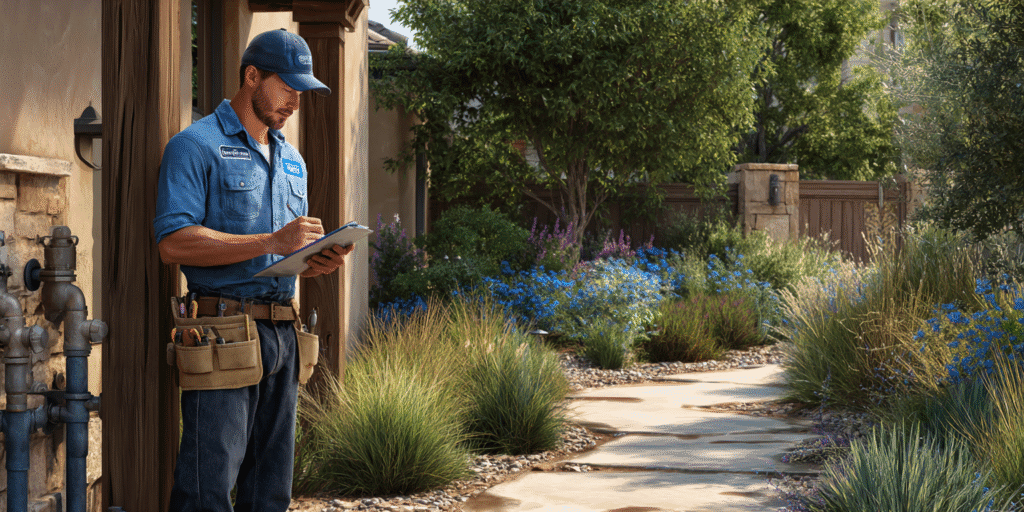
Many Texas plumbers offer pre-storm inspections. During these appointments, they’ll evaluate the state of your pipes, the connections, the sump and backflow systems, and even test local shut-offs. If you hire someone experienced with Gulf Coast storms, they’ll know exactly where to look and what kinds of materials withstand hurricane conditions best.
Expert plumbers bring other advantages, too. The best local professionals will know how to install hurricane-proof systems, including stronger sump pumps, upgraded valves, and improved drainage. If needed, they can fit your home with advanced backflow control to block contaminated water from ever making its way inside. This expertise goes beyond what the average homeowner can handle and is backed by the experience of dealing with Texas emergencies year after year.
Selecting the right plumbing company is also about trust. Reputable contractors offer references, hold certifications, and are transparent about costs and the work they propose. They’re equipped to tackle flooded basements, sewer clogs, and broken lines immediately after a storm. Their response is crucial—the sooner an expert arrives, the sooner repairs begin, and the risk of further damage falls away. Fast-acting professionals, like those at WeThePlumbersTX, know the area, respond rapidly, and support homeowners with the insurance documentation necessary to protect your claim.
Plumbers like these also take the time to walk homeowners through what to expect before, during, and after a storm. They often help devise an action plan, label vital shutoff points, and provide specific guidance tailored to your unique house and lot. By working with a plumber before hurricane season reaches its peak, you ensure your home gets the care and attention needed without the last-minute rush.
Once the storm is over, expert help becomes even more important. Local emergency plumbers are equipped to assess the aftermath with modern tools, from cameras to advanced pumps, and can repair or replace the damaged systems quickly. Their knowledge can mean the difference between speedy recovery and months of hassle. Repairs done by experienced, licensed professionals hold up better and last longer, even as the Gulf weather throws its next test.
Pro Tip: Aim to schedule your plumbing inspection early in hurricane season—appointments fill up as forecasts heat up. The sooner you get on the calendar, the more likely you are to avoid the rush and have time to make necessary repairs before the worst of the storm arrives. For year-round peace of mind and true hurricane readiness, don’t delay, call for an appointment today to make sure your plumbing is as storm-ready as you are.
Conclusion: Stay Storm-Ready and Protected
Preparing for hurricanes along the Texas coast is a way of life, and nowhere is that more true than when securing your home’s plumbing system. Far more than an afterthought, your water and sewer lines form the backbone of home safety, health, and comfort during emergencies. From understanding unique hurricane risks to inspecting plumbing vulnerabilities, taking key steps before the season, acting quickly during a storm, and working with trusted experts, it’s clear that being ready means much more than simply hoping for the best.
Peace of mind in storm season comes from action, not anxiety. Don’t wait for the next storm to test your plumbing system—make a plan now, inspect and repair weak points, and know exactly who to call if the worst should happen. Whether you’re new to the Gulf Coast or a long-time resident, every storm season brings fresh challenges, and you can face them head-on with preparation, knowledge, and the help of a skilled local plumber.
For tailored advice, the latest in hurricane-grade plumbing upgrades, and fast, dependable emergency support, call for an appointment with a Texas plumbing expert today. Together, you can make sure your home stands strong, safe, and dry—no matter what the next hurricane season has in store.