Flushable Wipes: What Really Happens After You Flush
Flushable wipes are easy to find in Houston stores, and the packaging promises a simple solution. They’re marketed as strong, gentle, and safe for your plumbing. The claim sounds simple: wipe, flush, and forget. But the truth is more complicated.
Flushable wipes are much tougher than toilet paper. They’re made with a mix of paper and synthetic fibers, which makes them strong enough for cleaning but stubborn once they hit your pipes. While toilet paper breaks down almost instantly, wipes—even the ones labeled biodegradable—can linger in your plumbing for weeks or longer.
Packaging may claim wipes are “sewer safe” or “break down quickly,” but those tests don’t match what plumbers see in Houston homes. Flushable just means the wipe will fit through your toilet and out of sight. What matters is what happens after you flush.
Wipes don’t disappear. Instead, they can get caught in the bends of your pipes or in places with even a little buildup. Once a wipe gets stuck, it becomes the starting point for everything else: hair, grease, and more wipes. Over time, that small piece of trash can turn into a serious clog.
Even the wipes that claim to break down take weeks or months to fall apart, while toilet paper is already gone in seconds. That’s why the label flushable is misleading. Wipes are the top cause of sewer line backups and expensive plumbing repairs in Houston, especially during summer when water use is high.
Why Plumbing Problems Get Worse in Houston Summers
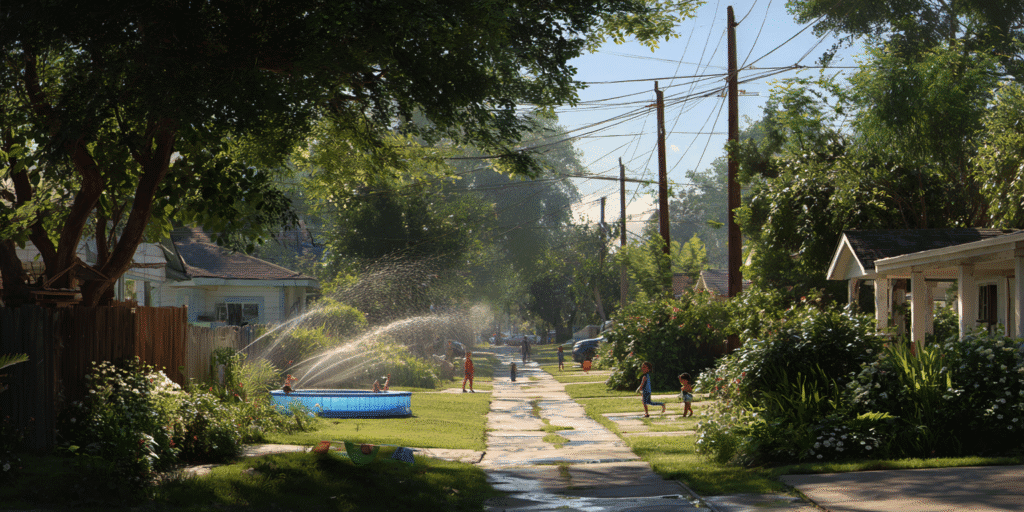
Houston summers bring extra showers, more laundry, and more guests. Your plumbing works overtime. Add in sprinkler systems and backyard pools, and your pipes are under constant stress.
Flushable wipes build up faster when more people are in the house. Each flush pushes them further along, until they begin to pile up in places like bends or joints in the system.
The heat makes things worse. High temperatures can cause pipes to expand slightly and slow water flow. That slower movement gives grease and wipes more time to stick to the walls. Eventually, they clump together and form solid blockages.
Heavy rainstorms add another layer of risk. When sewers are already near capacity, it doesn’t take much to send water back toward your home, especially if wipes are part of the problem. It only takes one clog to turn a summer day into a plumbing emergency.
What Really Happens Inside Your Pipes
After you flush, a wipe travels through the pipes under your home and into the city sewer. But unlike toilet paper, which turns to mush almost immediately, wipes hold their shape. They can snag on old pipe walls, settle into low spots, or catch at junctions.
Add in grease from cooking and oils from soap, and you have the perfect storm. As grease hardens on pipe walls, it creates a sticky surface. Wipes attach to it, and soon other materials join in: hair, food particles, and more grease. The result is a growing mass called a fatberg.
Fatbergs clog pipes deep underground. They block flow, create pressure, and often push wastewater back into homes. Warning signs include slow drains, strange odors, or toilets that don’t flush as they should.
It’s also important to know that flushable is a marketing term. Even the best wipes take much longer to break down than toilet paper. The longer they sit in your pipes, the greater the chance they’ll create a problem.
Watch for the Warning Signs
A few early signs can help you avoid a major plumbing issue. Look out for:
- Gurgling toilets after flushing
- Sinks or tubs that drain slowly
- Bad smells are coming from the drains
- Water is pooling around the floor drains
- More than one drain acting up at once
If you see any of these, don’t wait. Stop using water, and call a plumber right away. Trying to clear a deep clog yourself can make things worse, especially when wipes and grease are involved.
Simple Habits That Protect Your Home
Only flush toilet paper and human waste. Everything else goes in the trash. That includes wipes, paper towels, tissues, and hygiene products.
Talk to your family and houseguests about what should and shouldn’t be flushed. Keep trash cans in every bathroom so there’s no excuse to toss wipes into the toilet.
If you like the clean feeling wipes offer, consider switching to dampened toilet paper or adding a bidet attachment. Both options are better for your pipes and still get the job done.
Check your plumbing monthly. Listen for odd noises, watch how quickly drains clear, and take note of any changes. If something seems off, call a trusted plumber before it becomes an emergency.
Need Help?
If your home has older pipes or a history of backups, it’s smart to schedule an inspection. We The Plumbers has the experience and tools to catch problems early and keep your summer running smoothly.
Don’t wait until a backup ruins your day. With a few small changes and regular checkups, you can protect your home and avoid costly repairs.