
Water Filtration Systems in Conroe, TX
Experience Clean, Reliable Water for Your Home Like Never Before
Every home and business deserves clean, great-tasting water. But tap water does have its downsides: chlorine, sediment, and minerals that affect taste, damage plumbing, and wear down appliances. A professional water filtration system is the most reliable way to get clean, safe water straight from every tap. It’s not just about taste—it’s about protecting your home, your family, and your investment for the long run.
The Real Benefits of a Water Filtration System
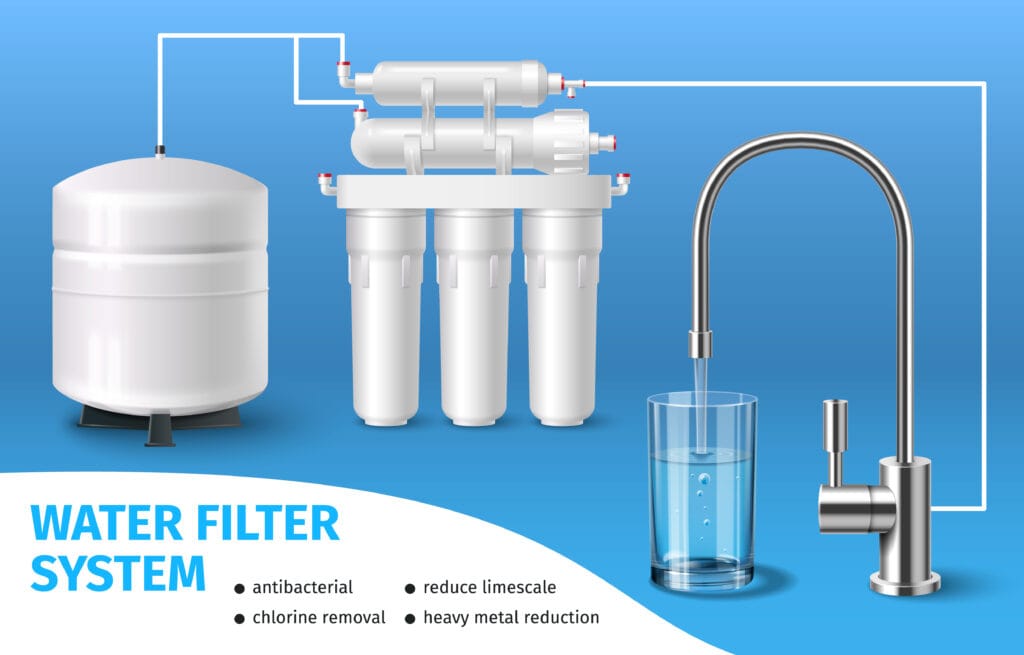
#### Healthier, Safer Water A properly installed water filtration system removes the unwanted stuff your tap water brings with it—chlorine, lead, heavy metals, bacteria, and sediment. Even city-treated water can carry trace chemicals and impurities. With filtration in place, you can pour a glass of water from your kitchen sink knowing it’s clean, clear, and safe. You’ll cut down on bottled water, save money, and get peace of mind knowing what’s in your water—and what isn’t.
EPA guidelines for safe drinking water
Better Taste, Better Smell, Better Quality
You can tell when water isn’t clean—it smells off, tastes metallic, or leaves a film on your dishes. A good filtration system eliminates those issues completely. It removes the chlorine and sulfur that cause bad odors and takes out the contaminants that give water that “chemical” taste. The result? Crisp, fresh water you’ll actually want to drink. It’s cleaner, smoother, and makes everything from your coffee to your cooking taste better.
Protects Your Pipes, Fixtures, and Appliances
Hard water doesn’t just affect taste, but also can wreak havoc on your appliances. Minerals like calcium and magnesium build up inside pipes, valves, and fixtures, slowly choking water flow and wearing out equipment. Dishwashers, water heaters, washing machines, and coffee makers all pay the price.
A quality water filtration or softening system takes those minerals out before they can do any damage. Your plumbing stays clean, your appliances last longer, and your water pressure stays steady. Over time, that means fewer repairs and more money staying in your pocket.
Saves Money and Cuts Down on Waste
Think about how much money goes down the drain with bottled water every year—not to mention the plastic waste. A water filtration system pays for itself over time by giving you unlimited clean water right from your tap. No more hauling cases of bottles, no more recycling bins full of plastic.
On top of that, keeping hard minerals out of your pipes and appliances prevents expensive maintenance and early replacements. It’s one of those upgrades that keeps paying for itself month after month.
Better for Your Skin, Hair, and Health
Chlorine and other chemicals in unfiltered water can dry out your skin and hair. With a filtration system, your showers feel cleaner, your skin feels softer, and your hair stays healthier. You won’t need as many lotions or treatments to make up for what harsh water strips away. If you’ve got kids, sensitive skin, or just want your showers to actually feel refreshing, filtered water makes a big difference.
Cleaner Clothes and Spot-Free Dishes
Filtered water helps detergents work the way they should. Clothes come out softer and brighter, without the stiff, dull feel caused by hard water. Dishes and glassware rinse clean without residue or cloudy spots. With softer water, you’ll use less soap and detergent overall—saving money while keeping everything looking cleaner.
A System Built for Your Home
Not all water filtration systems are the same. The best setup depends on your home’s water quality and your needs. Some homes need a simple activated carbon filter to handle chlorine and taste issues, while others may require a more advanced reverse osmosis or UV purification system. Professional plumbers start with a water test to pinpoint exactly what’s in your supply, then recommend a system that handles it effectively. The goal is straightforward: clean water, reliable performance, and a setup that fits your home.
NSF/ANSI standards for certified water filters
Dependable Performance and Peace of Mind
A well-installed water filtration system runs quietly in the background, day after day. Once it’s set up, it doesn’t need much attention—just regular filter changes or simple maintenance a few times a year. You’ll have clean water running through every tap in your home without ever needing to think about it. It’s one of those upgrades that gives you peace of mind every time you turn on the faucet.
Frequently Asked Questions
It depends on the system. Basic carbon filters remove chlorine, chemicals, and bad odors. Reverse osmosis systems go a step further, removing heavy metals, fluoride, and dissolved solids. Many homeowners choose a multi-stage system that combines several methods for the best all-around protection. A professional plumber can test your water and tell you exactly what you need.
A water filter removes impurities that affect taste, odor, and safety. A water softener removes hardness minerals like calcium and magnesium that cause scale buildup. In many cases, homeowners install both—a softener to protect pipes and appliances, and a filter to improve water quality for drinking and cooking.
If your water tastes odd, smells like chlorine, or leaves white spots on your fixtures and dishes, you probably need some kind of filtration or softening system. Rust stains, buildup around faucets, and dry skin are other common signs. The best way to know for sure is with a professional water test. Once you know what’s in your water, you can decide on the right system.
Absolutely. A whole-house water filtration system filters every drop of water entering your home—not just at the kitchen sink. That means clean water for drinking, bathing, laundry, and cooking. You’ll notice the difference in your showers, your laundry, and your plumbing performance. While the upfront cost is higher than a simple faucet filter, the long-term protection and convenience are well worth it.
Most systems require filter changes every 6 to 12 months, depending on your water quality and usage. Some newer systems include sensors that alert you when it’s time to replace a filter. Staying on top of maintenance keeps your water clean and your system running at peak efficiency.
If it’s a small under-sink unit, you might be able to install it on your own. But for whole-house filtration systems, it’s always better to hire a licensed plumber. Professional installation ensures the system is hooked up correctly, pressure-tested, and compliant with local codes. You’ll get a better warranty and peace of mind knowing it’s done right.
When installed properly, a good filtration system won’t noticeably change your water pressure. The only time pressure drops occur is when filters are clogged or overdue for replacement. Regular maintenance prevents this and keeps water flow strong throughout your home.
Maintenance is simple. Replace filters as needed, and have your system checked by a plumber once a year. Some systems need occasional cleaning or sanitizing, but overall, they’re low-maintenance. A professional can set you up on a service plan so you don’t have to think about it.
In most cases, yes. Bottled water often comes from the same municipal sources as tap water—it’s just filtered and sold at a markup. A home filtration system gives you that same level of purity right from your own faucets, without the plastic waste or ongoing cost. It’s cleaner, cheaper, and more environmentally responsible.
A high-quality filtration system can last anywhere from 10 to 20 years, depending on the brand and maintenance. With regular care and timely filter replacements, most homeowners enjoy decades of clean, dependable water. It’s one of the most durable upgrades you can make for your home.
Upgrade Your Home with Clean, Reliable Water
Installing a water filtration system isn’t just about better-tasting water—it’s about long-term protection for your home and your family. You’ll protect your plumbing, extend the life of your appliances, and stop wasting money on bottled water. It’s a simple, practical upgrade that delivers immediate results and lasting value.
When you’re ready for cleaner, safer water in every part of your home, trust a professional plumber to test, install, and maintain a system that’s built to last.