
Understanding the Basics of Water Quality Testing
For homeowners, ensuring safe and clean water is a fundamental responsibility that directly impacts family health and well-being. Water quality testing serves as the cornerstone of this vital home maintenance task, revealing potential hazards that often remain invisible to the naked eye. This comprehensive evaluation helps identify contaminants that could compromise your family’s safety and guides you toward appropriate treatment solutions.
Water testing examines various contaminants that may be present in your home’s water supply. These unwanted elements can originate from multiple sources, including natural mineral deposits, industrial activities, and deteriorating infrastructure. Common contaminants include lead, chlorine, bacteria, herbicides, pesticides, and nitrates, each carrying its own set of health implications.
The impact of these impurities on household health cannot be overstated. Lead exposure, particularly harmful to children and pregnant women, can cause developmental issues and other serious health complications. Bacterial contamination might result in gastrointestinal illnesses, while excessive chlorine can trigger skin irritation and respiratory problems. Understanding these risks emphasizes the importance of regular water quality assessment.
Decoding Your Water Quality Report
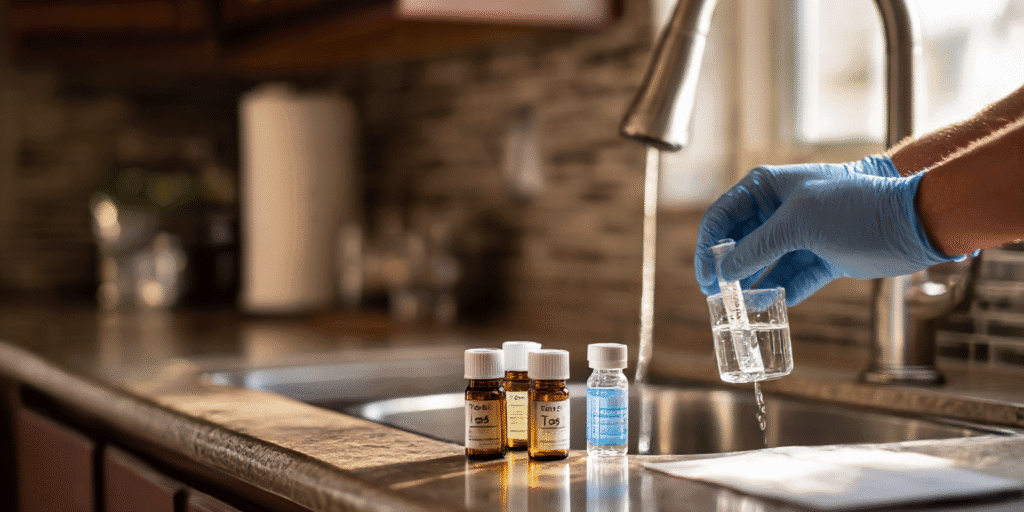
Obtaining and interpreting your water quality report marks the first step toward ensuring water safety in your home. Whether you’re connected to municipal water or rely on a private well, securing a comprehensive water analysis through a certified laboratory provides crucial insights into your water’s composition.
Your water quality report contains several key components that require careful attention. The pH level, typically ranging from 0 to 14, indicates your water’s acidity or alkalinity. A neutral pH of 7 is ideal, while variations can affect both taste and plumbing integrity. Water hardness measurements, expressed in milligrams per liter or grains per gallon, reveal the concentration of minerals like calcium and magnesium, which influence everything from soap effectiveness to appliance longevity.
The report also details detected contaminants, comparing their levels to regulatory standards established by the Environmental Protection Agency (EPA). These measurements, often expressed in parts per million (ppm) or parts per billion (ppb), provide crucial information about your water’s safety. For instance, lead concentrations should remain below 15 ppb to prevent adverse health effects.
Interpreting Contaminant Levels
Understanding contaminant levels requires familiarity with various measurement units and safety thresholds. The EPA establishes Maximum Contaminant Levels (MCLs) for different substances, providing clear benchmarks for water safety. These standards help homeowners determine whether their water requires treatment or intervention.
Common contaminants vary in their potential health impacts. Coliform bacteria indicate possible pathogenic contamination, while elevated nitrate levels pose particular risks to infants. Heavy metals such as lead and arsenic can cause severe neurological and developmental issues, and volatile organic compounds (VOCs) may contribute to long-term health concerns, including cancer risks.
When reviewing your water quality report, compare the detected levels against established MCLs. Any readings exceeding these safety thresholds warrant immediate attention and corrective action. Regular monitoring helps identify trends and potential emerging issues before they become serious problems.
Determining the Right Treatment Solutions
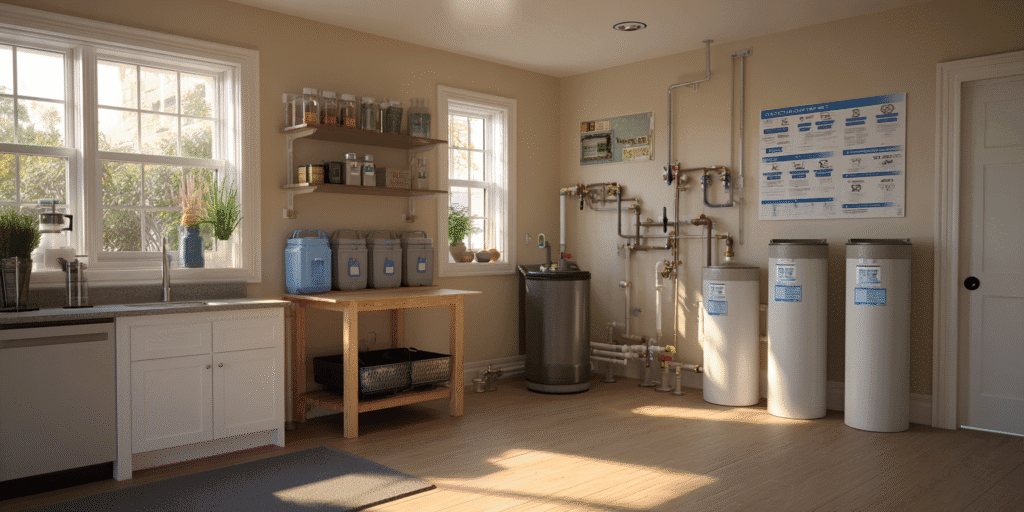
Once you’ve identified specific water quality concerns, selecting appropriate treatment solutions becomes crucial. Various treatment options address different contaminants and water quality issues, from simple filtration systems to more complex purification methods.
Filtration systems, including activated carbon filters and reverse osmosis units, effectively remove many common contaminants. Carbon filtration excels at reducing chlorine and improving taste, while reverse osmosis systems tackle dissolved solids and minerals. UV disinfection systems specifically target bacterial contamination, providing an additional layer of protection.
When choosing a treatment system, consider factors such as:
- Specific contaminants present in your water
- Your household’s water consumption volume
- Initial installation costs
- Ongoing maintenance requirements
- System capacity and efficiency
- Long-term operational expenses
Maintaining Optimal Water Quality
Ensuring consistent water quality requires ongoing attention and regular maintenance. Establish a routine testing schedule, typically annual for municipal water and more frequent for private wells. Monitor for changes in water taste, color, or odor, as these can indicate emerging issues.
Regular maintenance of water treatment systems is essential for optimal performance. Follow manufacturer guidelines for filter replacement and system servicing. Keep detailed records of water test results and treatment system maintenance to track changes over time and ensure continued effectiveness.
Certain circumstances may necessitate additional testing:
- After major weather events
- Following plumbing repairs or renovations
- During seasonal changes
- When local water advisories are issued
- If you notice changes in water quality
For comprehensive water quality assessment and treatment recommendations, consulting with water quality professionals provides valuable expertise and peace of mind. These specialists can help interpret test results, recommend appropriate treatment solutions, and establish maintenance schedules tailored to your specific needs. Call for an appointment today to ensure your home’s water remains safe and healthy for your family.
Remember, maintaining water quality is an ongoing process that requires vigilance and regular attention. By understanding your water quality report and taking appropriate action, you can ensure your family has access to clean, safe water year-round.