Water safety is critical during emergencies, especially when boil water advisories are issued due to contamination risks. For homeowners in Conroe and Montgomery County, Texas, understanding boil water advisories, choosing the right water filtration system, and following emergency water safety practices are essential to protecting your family’s health.
Understanding Boil Water Advisories
A boil water advisory is a public health notice issued when there is a significant risk that drinking water may be contaminated with pathogens or other harmful substances. In this area, advisories can result from flooding, water main breaks, industrial spills, or failures in water treatment processes. When these events occur, harmful bacteria, viruses, or protozoa can enter the water supply and pose serious health risks—particularly to young children, the elderly, and individuals with compromised immune systems.
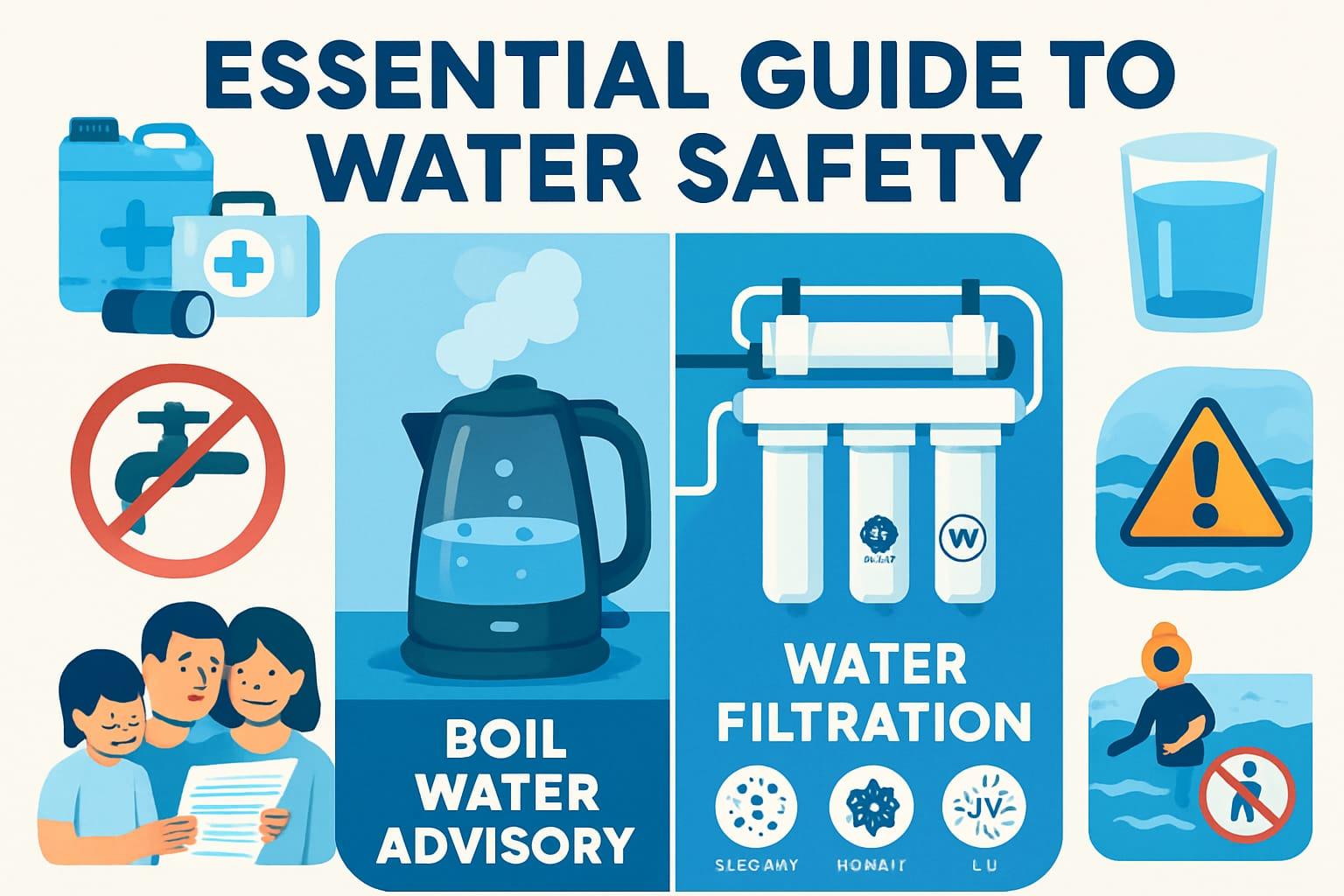
When a boil water advisory is issued, take immediate action. Health officials recommend boiling all water intended for drinking, cooking, and brushing teeth. Bring water to a rolling boil for at least one minute to effectively kill pathogenic microorganisms. Simply heating water to a warm temperature is not sufficient—it must reach a full, rolling boil.
Chemical disinfectants can serve as a backup when boiling is impractical, but they are not universally effective against all pathogens. Bottled water works as a short-term solution, though it becomes costly during extended advisories. Boiling remains the most reliable purification method.
Boil water advisories can last anywhere from a few hours to several weeks, depending on the scope of contamination and the effectiveness of treatment efforts. Stay updated through local news outlets and official communications from your local water utility. Officials will notify residents when it is safe to resume normal water use.
Safety precautions extend beyond boiling water for drinking. Use bottled or boiled water for preparing food that doesn’t require cooking, feeding infants, making ice, and washing fruits or vegetables.
If you have a household water filtration system, keep in mind that not all filters adequately remove bacteria and viruses. Relying solely on filtration may not be sufficient during a boil water advisory. Check your system’s specifications to confirm whether it can effectively purify water against waterborne pathogens.
Once a boil water advisory is lifted, flush your pipes by running all faucets for several minutes before resuming normal use. Flush your water heater and ice maker as well to clear any standing water that may have been contaminated. If you need help flushing your system or inspecting your plumbing after an advisory, contact We The Plumbers at (936) 758-6237—we can ensure everything is safe and functioning properly before you resume normal use.
Exploring Water Filtration Systems
For Conroe homeowners looking to improve their water quality year-round—not just during advisories—a water filtration system offers lasting peace of mind. Several types are available, each with distinct advantages and limitations.
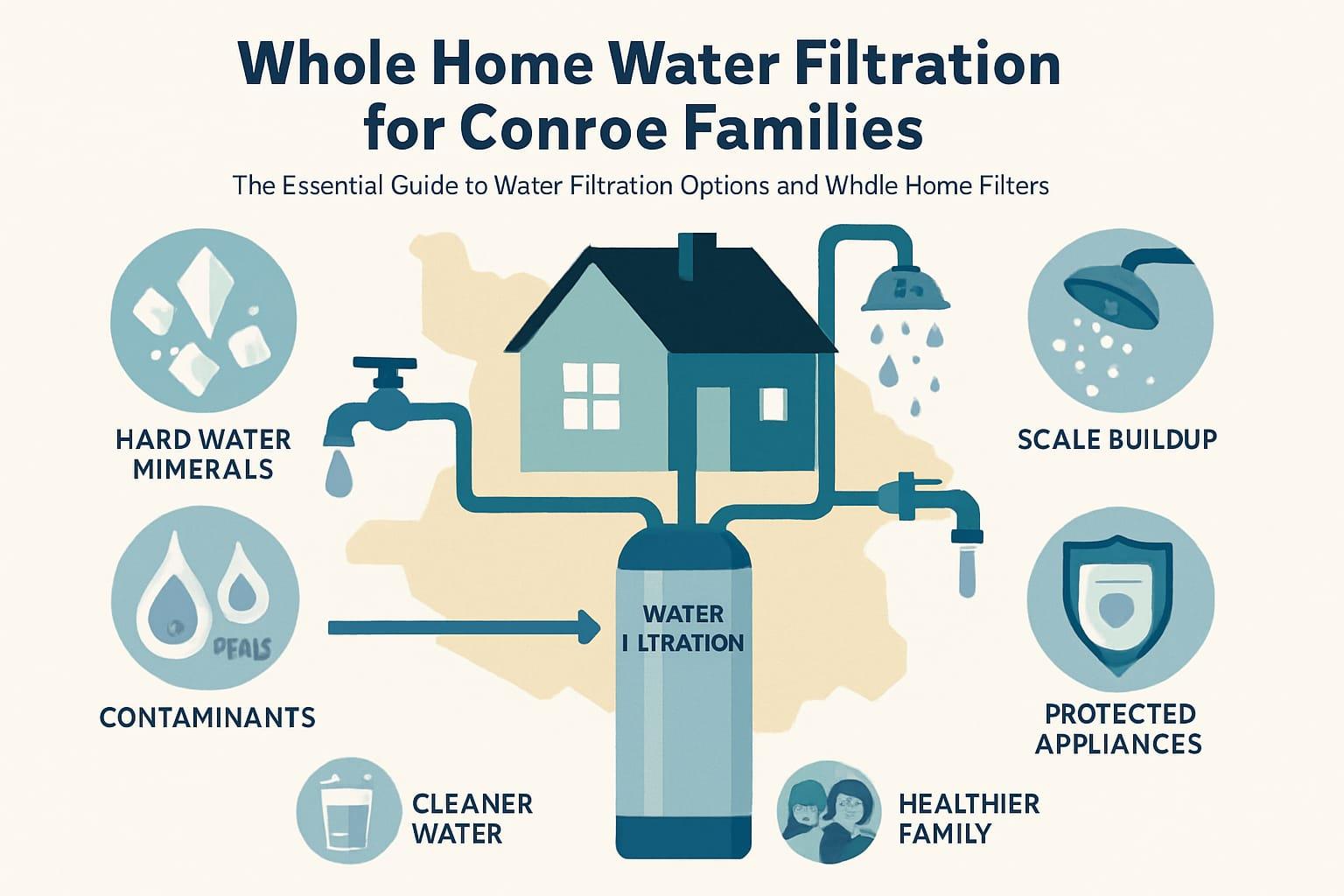
A whole house filtration system is installed where water enters your home, typically using a combination of sediment filters, activated carbon filters, and sometimes UV light. By treating all water used for drinking, cooking, bathing, and cleaning, these systems protect against chlorine, sediment, and some bacteria at every tap and appliance. The trade-off is that whole house systems require regular filter changes and can take up considerable space—something a professional plumber can help you plan for during installation.
A reverse osmosis (RO) unit is typically installed under the kitchen sink for drinking and cooking water. It pushes water through a semi-permeable membrane that removes heavy metals, salts, and some viruses and bacteria—ideal for the purest water possible. However, RO systems produce three to four gallons of wastewater for every gallon of purified water and can be slower than other methods. Regular membrane and pre-filter replacement is essential for optimal performance.
A water softener pairs well with filtration for homes with hard water. Softeners remove excess calcium and magnesium that cause scale buildup in pipes, water heaters, and appliances—extending their lifespan and improving efficiency. While a softener alone won’t filter pathogens during a boil water advisory, combining one with a whole-house or RO system addresses both water quality and hardness year-round.
When selecting a filtration system, start by assessing your water quality—knowing what contaminants are present in your local water supply will help determine the best technology. Also consider your household’s water volume, taste preferences, health concerns, maintenance requirements, and budget. Systems range from affordable portable options to comprehensive whole house setups.
Investing in a quality water filtration system prepares your home for temporary disruptions and ensures the water you consume is as safe as possible. A licensed Texas plumber can help you choose and install the right system for your household.
Emergency Water Safety Practices
Ensuring safe drinking water during emergencies requires preparation and knowledge of proper practices. For Texas homeowners, where severe storms and flooding are common, these steps can significantly reduce health risks.
During flooding events common in this area, avoid wading in floodwaters, as they may contain sewage, chemicals, or harmful microorganisms. Supervise children, pets, and vulnerable individuals near any standing water during storms.
Keep your plumber’s contact information handy—when flooding damages pipes, sewer lines, or your water heater, a quick call can prevent further damage and help restore your water supply faster.
Understanding boil water advisories, investing in a reliable water filtration system, and following emergency water safety practices are essential for protecting your family. If you need help with water filtration installation, plumbing inspections after an advisory, or any other plumbing concern in Conroe or Montgomery County, contact We The Plumbers at (936) 758-6237 for professional, reliable service.
Have a plumbing problem like this?
We're a Marine veteran-owned plumbing company in Conroe. Tell us what's going on and we'll take it from there.