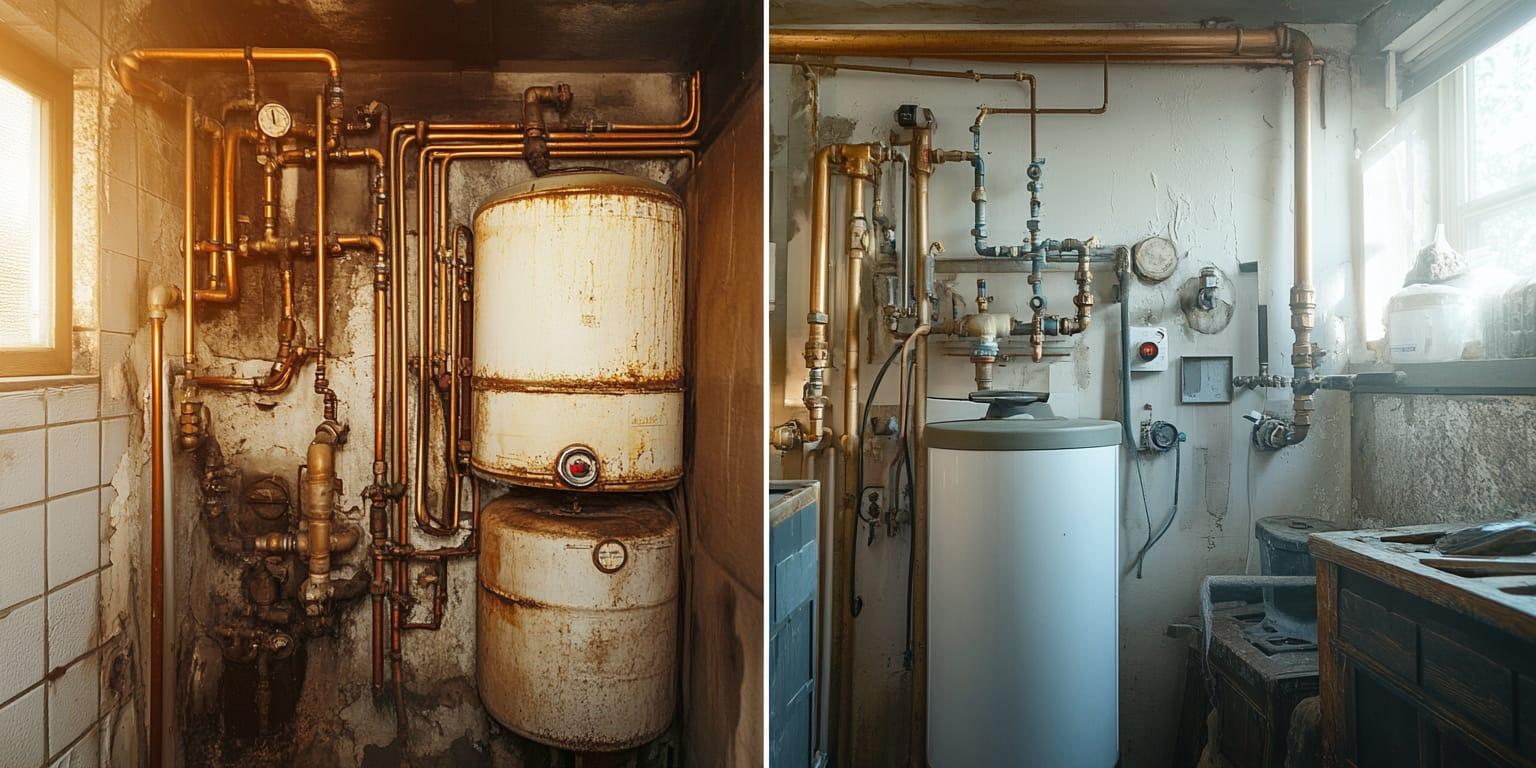
For many Conroe and Montgomery County homeowners, hard water seems like a minor inconvenience—spots on dishes, soap that won’t lather, and chalky buildup on faucets. But hard water has serious financial consequences for your plumbing.
Over time, calcium and magnesium deposits build up inside pipes, water heaters, and appliances, reducing efficiency, increasing utility costs, and leading to expensive repairs. What starts as a minor annoyance can escalate into thousands of dollars in damage.
Below, we’ll break down the real costs of hard water, how it impacts your plumbing system, and how a water softener can prevent costly repairs while extending appliance lifespan.
What Is Hard Water? Understanding Its Composition and Effects
Hard water is defined by its high concentration of dissolved minerals, particularly calcium and magnesium. These minerals enter the water supply as it moves through limestone, chalk, and gypsum deposits, which are abundant across Texas, including the Conroe and Montgomery County area.
While hard water isn’t harmful to drink, it creates major issues for plumbing systems and appliances. The minerals don’t stay dissolved—they settle and form limescale deposits inside pipes, water heaters, and fixtures.
How to Identify Hard Water in Your Home
You don’t need professional testing to recognize the telltale signs of hard water. Common indicators include:
- White, chalky deposits on faucets and showerheads
- Low water pressure due to mineral buildup in pipes
- Soap scum on bathtubs and sinks that is difficult to remove
- Dry skin and hair after showering
- Faded, stiff, or rough-feeling laundry
- Frequent appliance breakdowns, especially in dishwashers and water heaters
If you’ve noticed these issues, hard water is likely already affecting your plumbing system.
The Costly Impact of Hard Water on Plumbing Systems
Hard water doesn’t just leave behind unsightly stains—it damages plumbing infrastructure, reduces efficiency, and leads to costly repairs.
1. Scale Buildup in Pipes: The Hidden Plumbing Hazard
One of the most serious consequences of hard water is limescale buildup inside pipes. Over time, calcium and magnesium accumulate on pipe walls, creating increasingly thick layers of scale.
This buildup can:
- Reduce water flow and lower pressure, making showers and faucets less effective.
- Increase strain on your plumbing system, forcing pipes to work harder.
- Lead to full or partial blockages, requiring expensive pipe replacements.
2. Hard Water Damage to Water Heaters
Your water heater is one of the most vulnerable appliances when it comes to hard water damage. Minerals settle at the bottom of the tank, forming a thick layer of sediment that reduces efficiency.
- The heating element has to work harder to warm water, increasing energy bills.
- The unit becomes prone to overheating, leading to faster wear and tear.
- Water heaters that should last 10-15 years may fail in 7 years or less due to hard water damage.
3. Clogged and Damaged Faucets, Showerheads, and Fixtures
Hard water doesn’t just damage pipes and appliances—it also affects everyday fixtures like faucets and showerheads. Limescale buildup inside these fixtures reduces water flow and causes unsightly white crusting that can be difficult to remove.
Many homeowners find themselves constantly replacing faucets and showerheads as they become clogged with mineral deposits.
4. Increased Energy Bills Due to Hard Water Inefficiencies
One of the hidden costs of hard water is the extra energy required to heat water and maintain water pressure.
- Water heaters with scale buildup require 29% more energy to heat water.
- Clogged pipes reduce efficiency, making appliances work harder and increasing energy costs.
- Dishwashers and washing machines with scale buildup require more detergent and longer cycles to achieve the same level of cleanliness.
5. Shortened Lifespan of Appliances
Hard water can cut the lifespan of major appliances in half, leading to frequent replacements.
- Dishwashers and washing machines typically last 10 years, but in hard water conditions, they may only last 5-7 years.
- Refrigerators with water dispensers and coffee makers also experience premature failure due to mineral buildup.
Solutions: How a Water Softener Can Save You Money
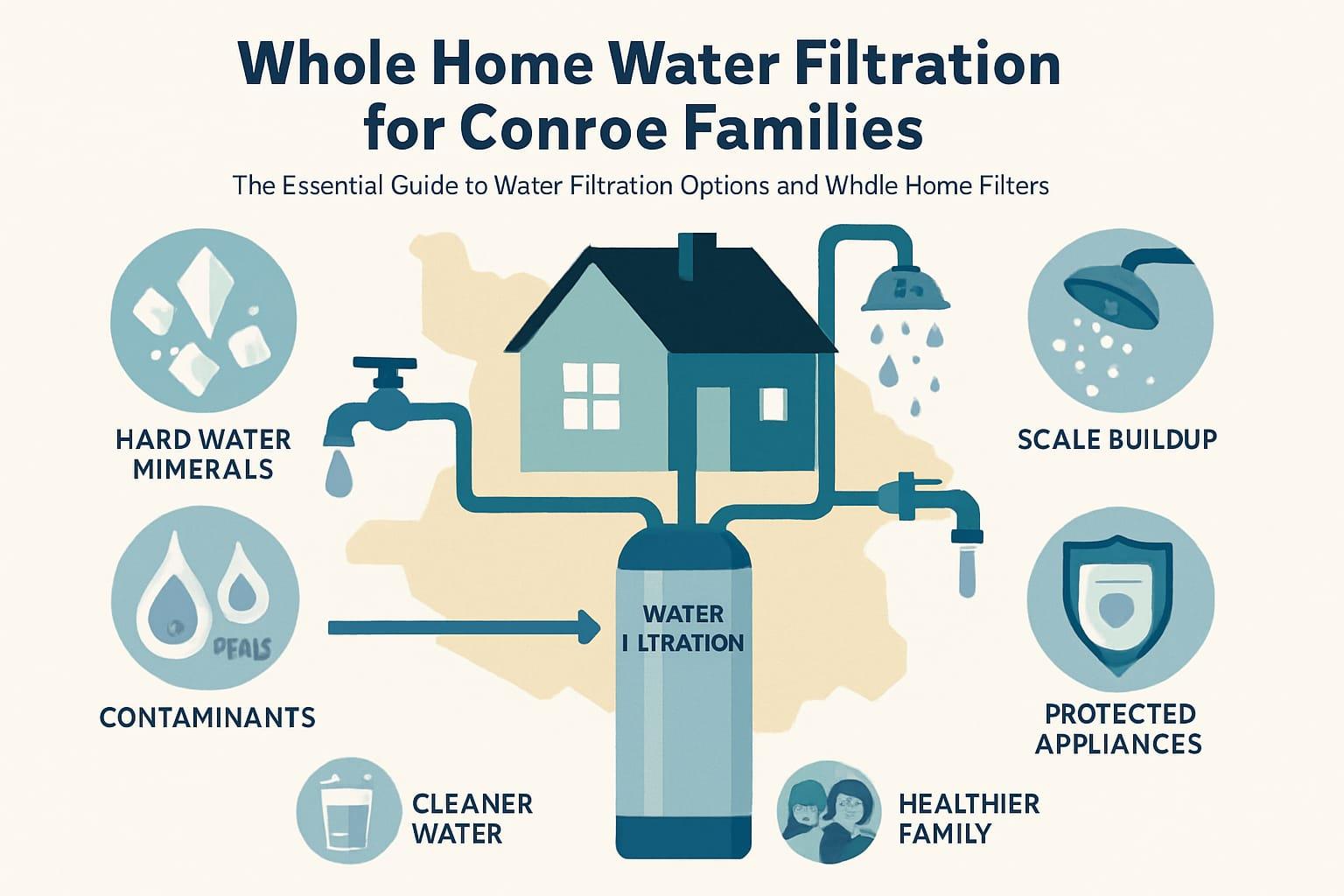
Investing in a water softener installation is the most effective solution for protecting your plumbing system from hard water damage. These systems remove calcium and magnesium from the water supply, preventing scale buildup and increasing efficiency.
For homes that also deal with taste, chlorine, or other contaminants, a whole-home water filtration system can complement your softener for more comprehensive water quality protection.
Benefits of Installing a Water Softener
- Protects pipes from clogging and corrosion
- Extends the lifespan of water heaters and appliances
- Reduces energy costs by improving heating efficiency
- Eliminates limescale buildup on faucets, fixtures, and showerheads
- Makes soap and detergent more effective, reducing cleaning costs
- Improves water pressure and flow throughout your home
Choosing the Right Water Softener for Your Home
Before purchasing a water softener, test your home’s water hardness levels using a home test kit or a professional water test.
When selecting a system, consider:
- Your household size and water usage
- The severity of hard water in your area (Texas ranks among the hardest water states)
- Whether you prefer a salt-based or salt-free system
- Long-term maintenance costs and system lifespan
Prevent Hard Water Damage Before It’s Too Late
Hard water may seem like a minor nuisance, but it can cause thousands of dollars in damage to your plumbing, appliances, and energy bills. The longer you wait, the worse the damage gets.
Installing a water softener is a smart investment that prevents costly repairs, extends the lifespan of your appliances, and reduces monthly utility bills.
If you’re dealing with limescale buildup, inefficient appliances, or rising energy costs, We The Plumbers in Conroe, TX is ready to help. Our team will test your water and recommend the right solution for your home.
Call 936-Plumber (936-758-6237) for a free estimate—and protect your home and wallet before hard water costs you more.
Have a plumbing problem like this?
We're a Marine veteran-owned plumbing company in Conroe. Tell us what's going on and we'll take it from there.