
Just got the keys to a place in Conroe? Congratulations. Here is the plumbing checklist for new homeowners that we’d hand you if we were standing in your kitchen: what to find, what to check and what to do now, so a small leak you inherited doesn’t turn into a big repair.
Why a Plumbing Walkthrough Matters on Move-In Day
You don’t know this house’s plumbing history yet. The last owner may have lived with a drip for years, and a slow leak behind a wall or under a slab doesn’t announce itself. Left alone, it costs you water, drywall and time, and it’s far easier to deal with in the first month than in the fifth.
Our area adds its own pressure. Conroe and Montgomery County summers are hot and humid, which is hard on pipes and fixtures from the outside. Heavy Gulf rains test your drainage, and a hard freeze now and then finds every weak spot. Our water is hard too, so minerals build up inside pipes and appliances over time. A short walkthrough now tells you where you stand.
What You’re Looking At
Most homes here are built on a slab, so much of the supply plumbing runs in the walls and the attic, with some under the foundation. What you can see and reach is a handful of things: the main shutoff valve, the water heater, the shutoff valves and supply lines under each sink and behind each toilet, the hose bibs outside, and your drains. That’s your list.
How to Check It Yourself
Here’s the walkthrough. Take your time, keep a notepad, and write down anything odd.
- Locate your main shutoff valve. Know where it is, and turn it to make sure it moves. In a leak, it’s your first line of defense, and you don’t want to be hunting for it with water on the floor.
- Look under sinks, behind toilets and in the garage or any crawlspace for drips, rust, stains or moisture.
- Check your water pressure. Home water pressure is generally best between 40 and 60 psi, and higher pressure can wear out pipes and fixtures over time. A simple gauge screws onto an outdoor hose bib.
- Check the faucets. Look for drips, corrosion or worn washers, and consider water-efficient fixtures when you replace them.
- Check the toilets. Add a few drops of food coloring to the tank, wait without flushing, and if color shows up in the bowl, the flapper is leaking.
- Run water down every sink, tub and shower to make sure it drains smoothly. Standing water can mean a clog or a venting problem.
- Look at the water heater, including the connections and the area around it. Check the manufacturer’s label for its age, and plan on flushing it about once a year to clear sediment. Leave the gas side alone; that’s a job for a licensed plumber.
- If you have a sump pump, make sure it kicks on before the heavy rain does.
- Check the washing machine hoses and dishwasher supply lines for leaks or brittleness.
A few habits keep it that way. Flush only toilet paper and waste, never wipes, even the ones labeled “flushable”. Skip the harsh chemical drain cleaners, which can eat at older pipes; baking soda and vinegar or an enzymatic cleaner is gentler. And keep a log of what you checked and when.
When It’s More Than a Checklist
Some things a walkthrough can’t fix, and your senses will tell you first. Here is what to look for, in the order people usually notice it.
What You’ll See
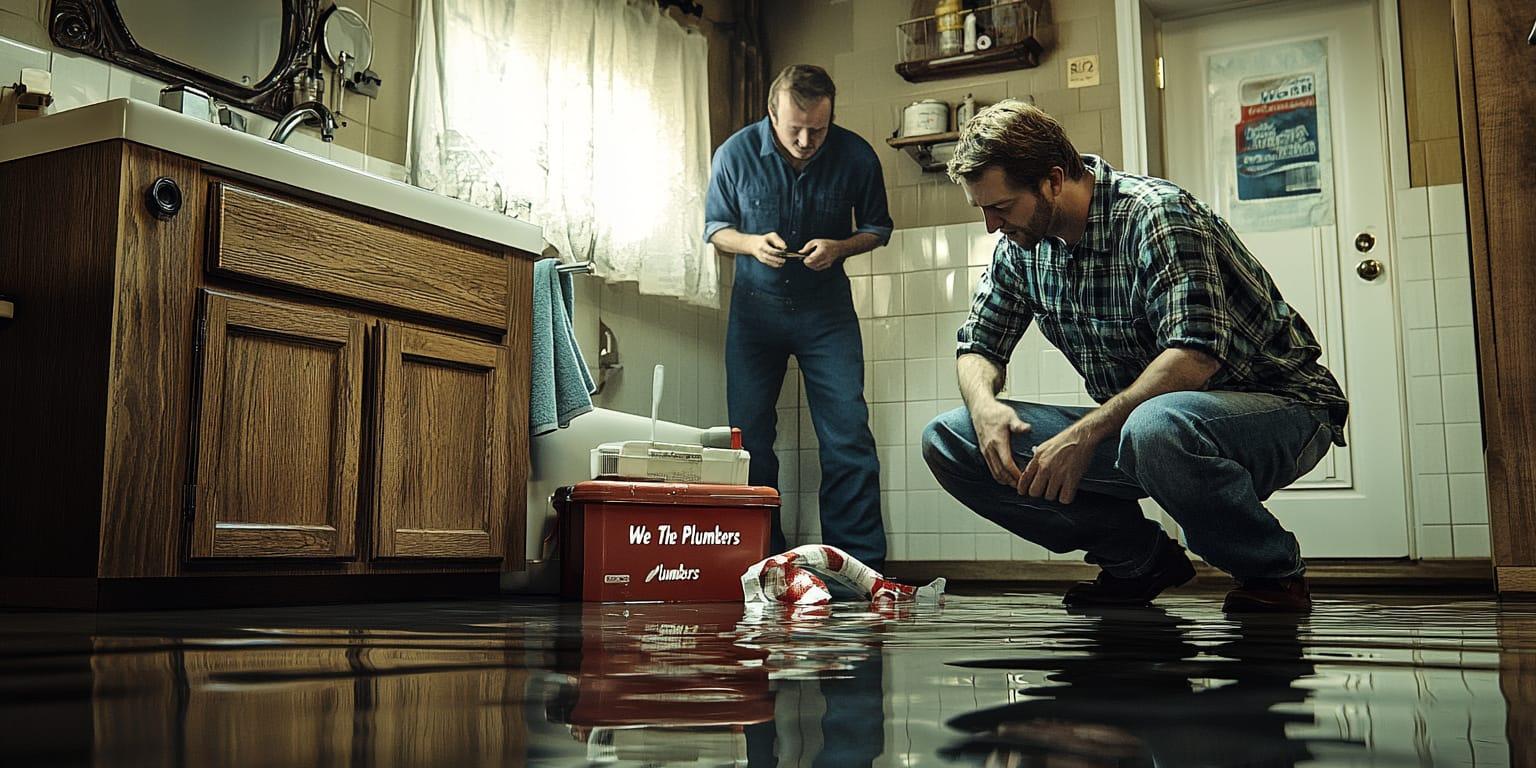
A water bill that doubled is one of the first signs. If you see that your water bill is suddenly high, turn off everything in the house and watch the meter. If it’s still moving, water is going somewhere. A stain on a ceiling, a wet cabinet or a damp baseboard is the other big one, and water under the sink is the most common place we find it.
What You’ll Hear
Water running when nothing is on is a clue. A toilet that keeps running is usually a worn flapper, and it can quietly drain a lot of water. A hiss from a wall is worth tracking down too.
What You’ll Smell
A musty smell in a cabinet, closet or wall points to moisture you can’t see. If you ever smell gas, get everyone out, don’t touch any switches, and call the gas company’s emergency line or 911 from outside. Then call a licensed plumber.
What You’ll Feel
Low water pressure in the whole house can mean a leak, and so can a warm spot on the floor, which can be a sign of a hot water line leaking under the slab. Soft, spongy flooring is another.
Hard water is a different kind of sign. White crust on faucets and showerheads is scale, and a water softener can help protect your pipes and appliances.
Who to Call When It Needs a Plumber
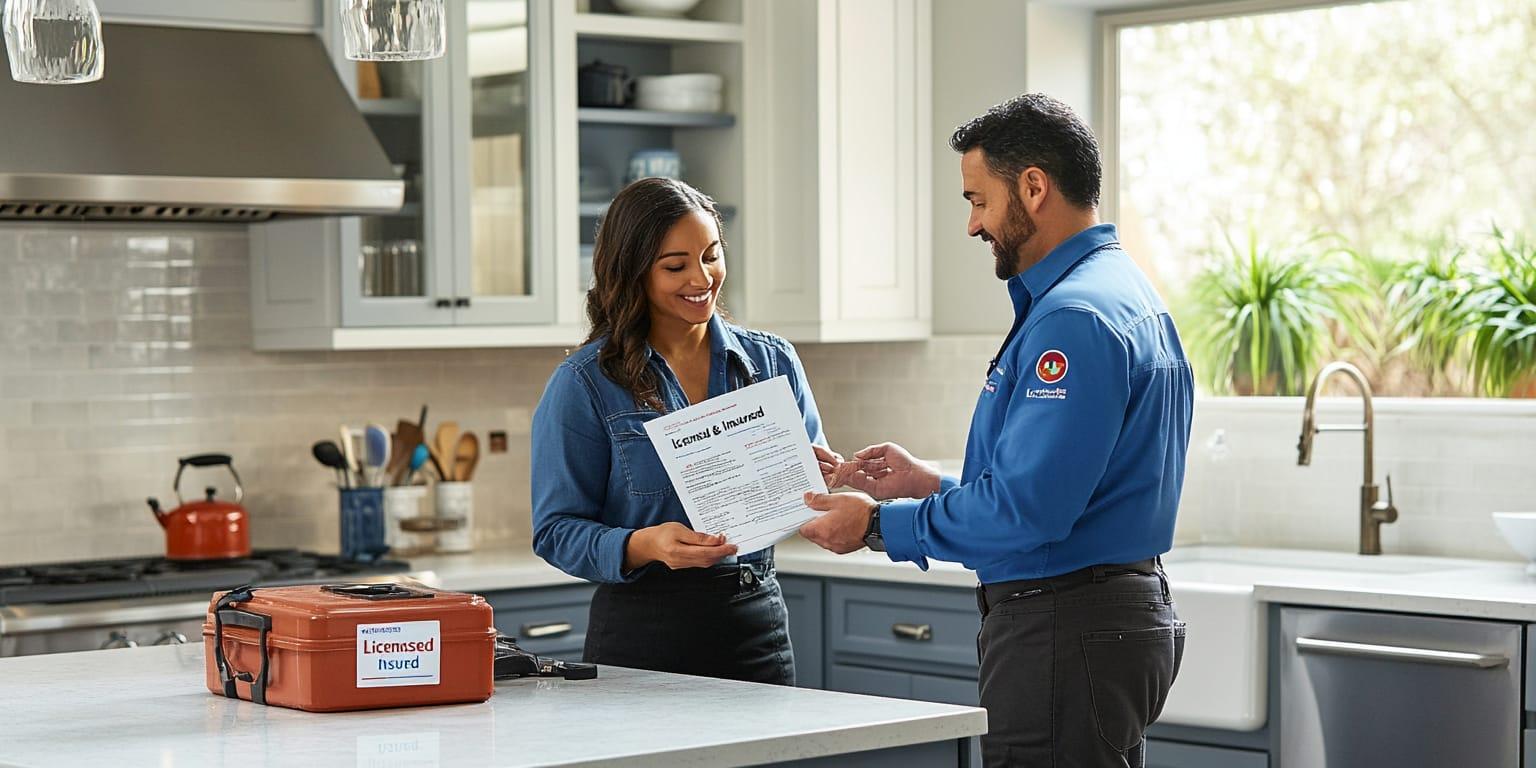
Most of this, you can handle yourself, and we hope you never need us. But if the walkthrough turns up something you can’t explain, we’re right here. We’re a local, licensed plumbing company in Conroe, and Dean Stewart holds our Texas master plumber license. People also call us when a simple fix didn’t hold, or when another plumber gave them a diagnosis and they’d like a second opinion.
For a leak you can’t find, the answer is leak detection. Our plumber checks the water meter with everything off to confirm the leak and how fast it runs, then checks toilets, fixtures and supply lines first, then walls, ceilings and floors for moisture and warm spots. The goal is to learn whether it’s inside the house, under the slab, or between the house and the meter. Then we explain the location, access and repair options before anyone opens a wall or floor. Finding it first means less damage and less repair afterward.
Getting started is easy. Fill out the request form, pick an arrival window that works for you, and one of our plumbers comes out to you. We’ll explain before we work, we’ll respect your home, and we won’t judge what we find. We deal with more crap than Congress, and we love it.
Help is on the way in Montgomery County.
Have a plumbing problem like this?
We're a Marine veteran-owned plumbing company in Conroe. Tell us what's going on and we'll take it from there.