Why do DIY plumbing repairs cost more? Because the fix that holds for a week is often the one that hides the real problem, and the real problem keeps leaking behind a wall or under a floor while you think it’s handled. Then you pay for the parts, the do-over, and the damage.
We’re not here to talk you out of picking up a wrench. Plenty of plumbing is yours to handle, and we’ll tell you which parts. Here’s where DIY tends to go sideways, what’s safe to do yourself, and when it’s time to call.
Why DIY Plumbing Repairs Can Cost You More
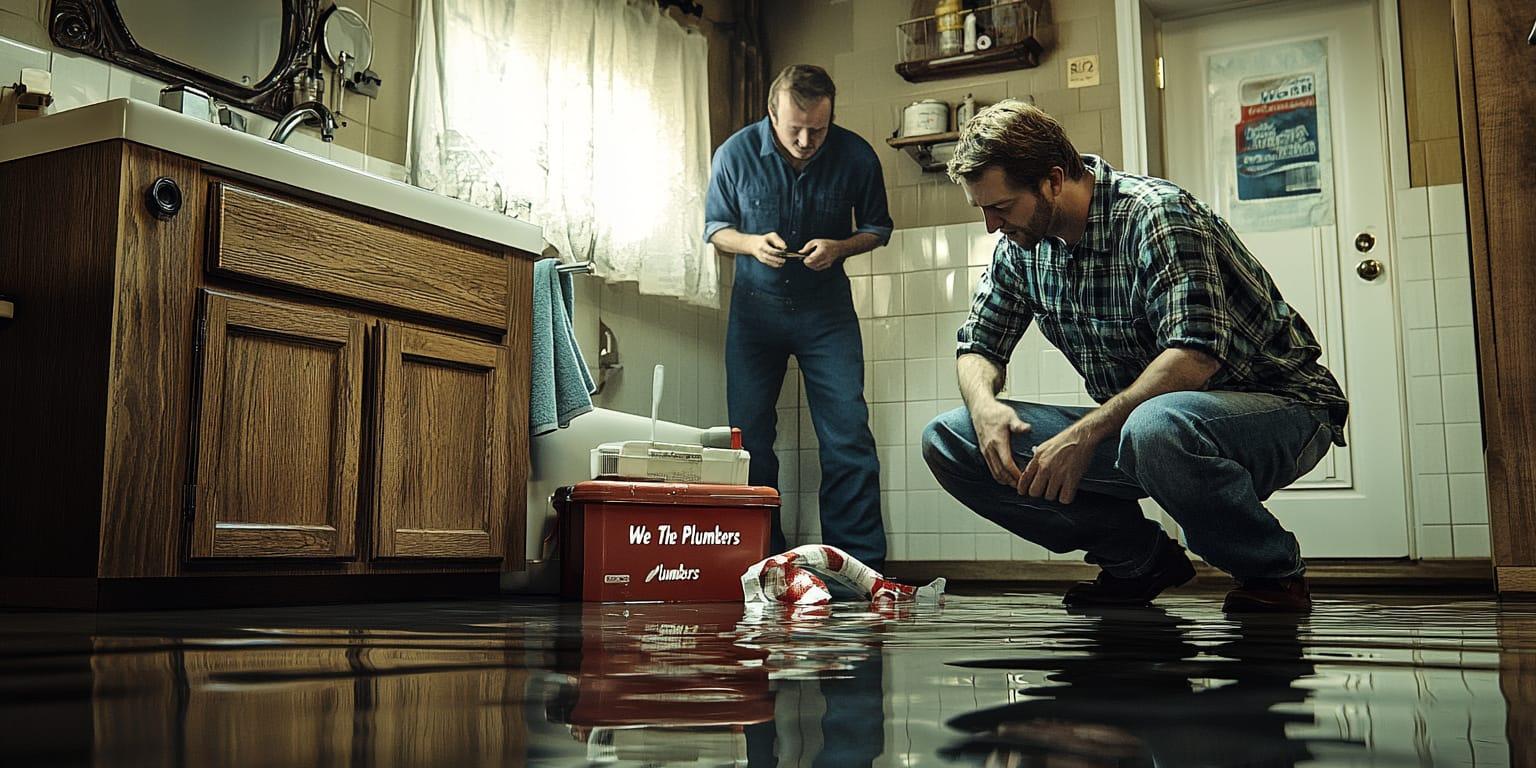
Water is patient. A connection that’s a little off doesn’t flood the house, it weeps. It soaks a cabinet floor, a wall cavity or the slab, and by the time it shows, you may be dealing with rotted wood, damaged flooring and mold on top of the original repair.
Here in Conroe and the rest of Montgomery County, hot humid summers make that worse, because damp areas stay damp. Add heavy Gulf rains and slab foundations that hide a lot of piping, and a small mistake has plenty of room to grow before anyone notices.
The honest math is DIY materials, plus the plumber who comes to fix the fix, plus whatever the water damaged in the meantime. Paying twice is the most common way a cheap repair turns into an expensive one.
What Goes Wrong With DIY Plumbing Repairs
Most of what we see falls into a handful of patterns. None of them mean you did something foolish. They’re easy to do when you can’t see inside the wall.
Using the Wrong Tools or Materials
Plumbing connections want the right fitting, the right wrench and the right tape or sealant for the joint. Makeshift fixes like adhesive sealants on a threaded connection tend to weaken things over time and lead to the next leak.
Fixing the Symptom Instead of the Cause
A weak faucet gets a new aerator when the real culprit is a hidden pipe leak or scale buildup. Southeast Texas has hard water, which builds scale in pipes and fixtures, so a symptom can have more than one cause. If the diagnosis is wrong, the repair is too.
Temporary Fixes That Don’t Last
Epoxy, tape and sealants on a leaking pipe can look dry for a while. Then they wear, the leak returns, and the damage you were trying to avoid arrives a little later and a little bigger.
Over-Tightening or Cross-Threading
It’s easy to crack a fitting or strip threads by cranking down on a connection. Under-tightening goes the other way: a slow drip that nobody sees until something is stained or soft.
Skipping Permits and Code
Some plumbing work needs a permit and has to meet local code. Repairs that skip it can create problems with insurance claims, bring code violations, or complicate selling the house. A licensed plumber knows what Conroe and Montgomery County require.
What You Can Safely Do Yourself
Here’s the part where we tell you when you don’t need us. These are all reasonable homeowner jobs:
- Look for drips under sinks, behind toilets and around the water heater, so you catch small leaks early.
- Replace a worn faucet aerator, and clean it if scale has clogged it.
- Check for a running toilet by adding a few drops of food coloring to the tank. If color shows up in the bowl without flushing, the flapper is leaking, and a new one is a simple swap for most people.
- Check the water meter with everything off. If it’s still moving, water is going somewhere.
- Know where your water main shutoff is, and turn it off if water is running where it shouldn’t.
- Skip chemical drain cleaners on older pipes, and try a plunger first.
Where we’d stop: anything gas, anything inside a wall or under the slab, anything that needs a permit, and any repair you’ve already made twice. If a gas appliance or line is involved, get a licensed plumber and leave the valves alone.
Signs a DIY Fix Needs a Plumber
Your house will usually tell you before the bill does. Here’s what to look for, in the order you’ll probably notice it.
What You’ll See
A stain on the ceiling below a bathroom, a swollen baseboard or a bubbling patch of paint can mean water is moving where you can’t see it. So can water under the sink that returns after you wiped it up and tightened the fitting. And if your water bill is suddenly high, a hidden leak is one of the first things to rule out.
What You’ll Hear
The sound of water running when every fixture is off is worth chasing. So is a hissing or trickling noise in a wall.
What You’ll Smell
A musty smell in a cabinet, closet or room that stays damp usually means moisture is hiding somewhere nearby.
What You’ll Feel
Low water pressure across more than one fixture can point to a leak in the line instead of a clogged aerator. And a warm spot on the floor can be a slab leak on a hot water line.
Any of these coming back after a DIY repair is the signal. The fix didn’t hold, or it was never the real problem.
When to Call a Plumber for a Hidden Leak
Call a licensed plumber if you have:
- A leak that returns after you’ve repaired it
- A burst pipe or major water damage (see our guide to emergency plumbing service)
- Sewage backups or foul odors from drains
- Low pressure at several fixtures
- No hot water or trouble with your water heater
- Any gas line issue
- A large installation, such as a toilet, water heater or garbage disposal
Most of this leads to the same first question: where is the water coming from? That’s what leak detection is for. Our plumber investigates the source of a hidden leak before anyone talks about opening a wall or floor, explains where the leak is and what the repair options are, and only then gets to work. Pinpointing it first means less damage and less repair afterward. Annual plumbing inspections can also catch small issues before they get big.
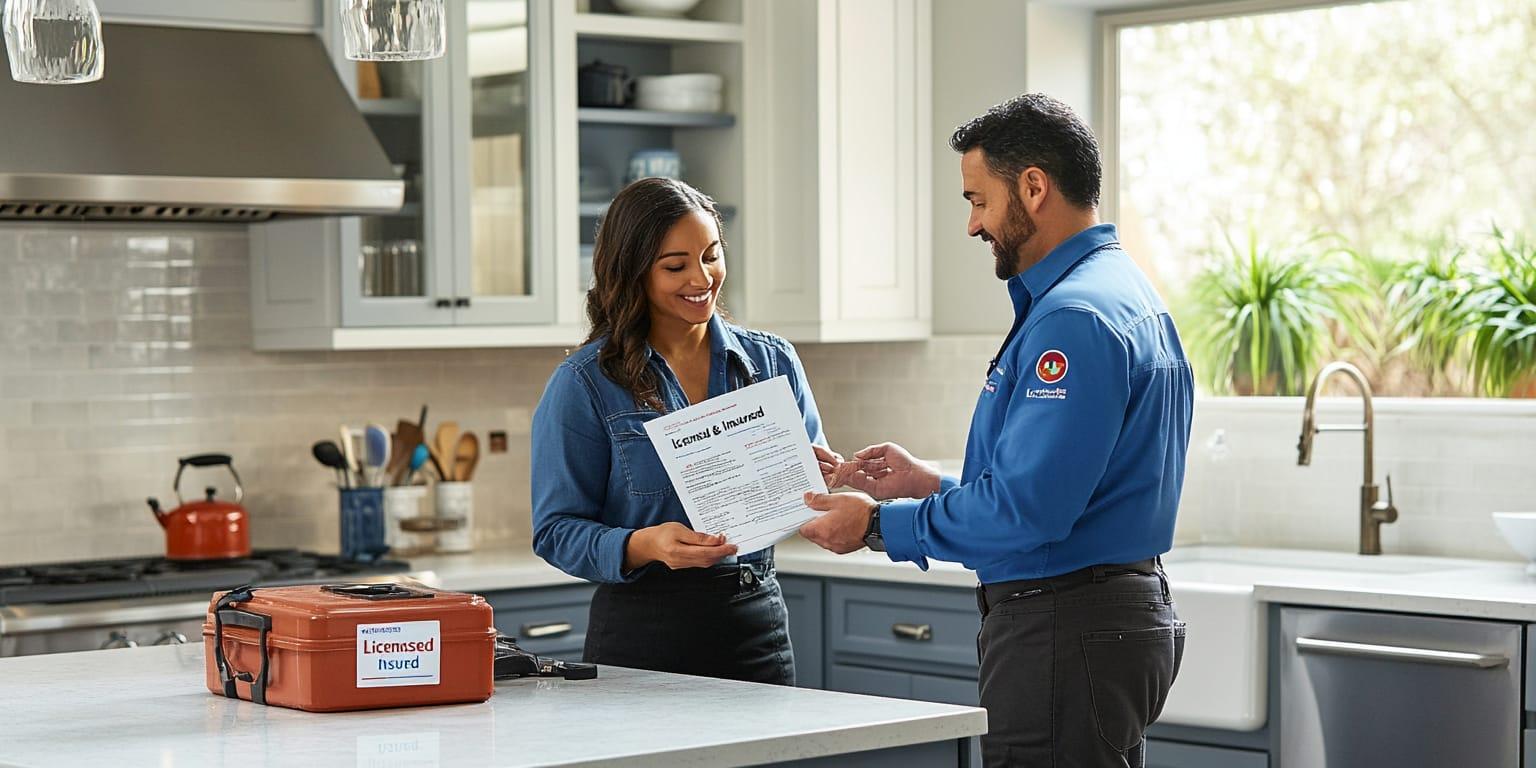
Hopefully you never need us. If you do, we’re a local, licensed master plumber right here in Conroe, and we’ll take care of it. Dean Stewart holds the Texas master plumber license. People also call us when a simple fix didn’t hold, or when another plumber’s diagnosis doesn’t sit right and they want a second opinion. We won’t judge what we find under there. We deal with more crap than Congress, and we love it.
Filling out the request form takes a couple of minutes. Pick an arrival window that works for you, and one of our plumbers comes out to you.
Help is on the way in Montgomery County.
Have a plumbing problem like this?
We're a Marine veteran-owned plumbing company in Conroe. Tell us what's going on and we'll take it from there.