If you own an older home in Conroe, you’ve probably wondered whether the pipes inside the walls are still up to the job. Here’s the short answer: they often are, for a good while, and a little attention helps them last. But there are clear signs your house needs repiping, and we’d rather you know them than find out from a wet ceiling. Below is what we’d tell you across the kitchen table, including when whole-home repiping is worth a conversation and when it isn’t.
Why Older Plumbing Deserves Attention
Pipes don’t fail all at once. They wear quietly for years, then a pinhole leak shows up behind a wall and the repair costs more than the pipe did. In an older home, that can mean wet drywall, soft wood, mold and a lot of lost weekends.
The materials matter too. Galvanized steel and old copper corrode from the inside, and mineral buildup narrows the pipe over time. Hard water makes it worse. A little care now buys you time, and knowing the signs keeps a small leak from becoming a big one.
What Your Home’s Supply Pipes Do
Your supply pipes carry water under pressure from the main to every faucet, shower, appliance and the water heater. Drain lines are a separate system that works by gravity, and they have their own problems, so this post sticks to the supply side.
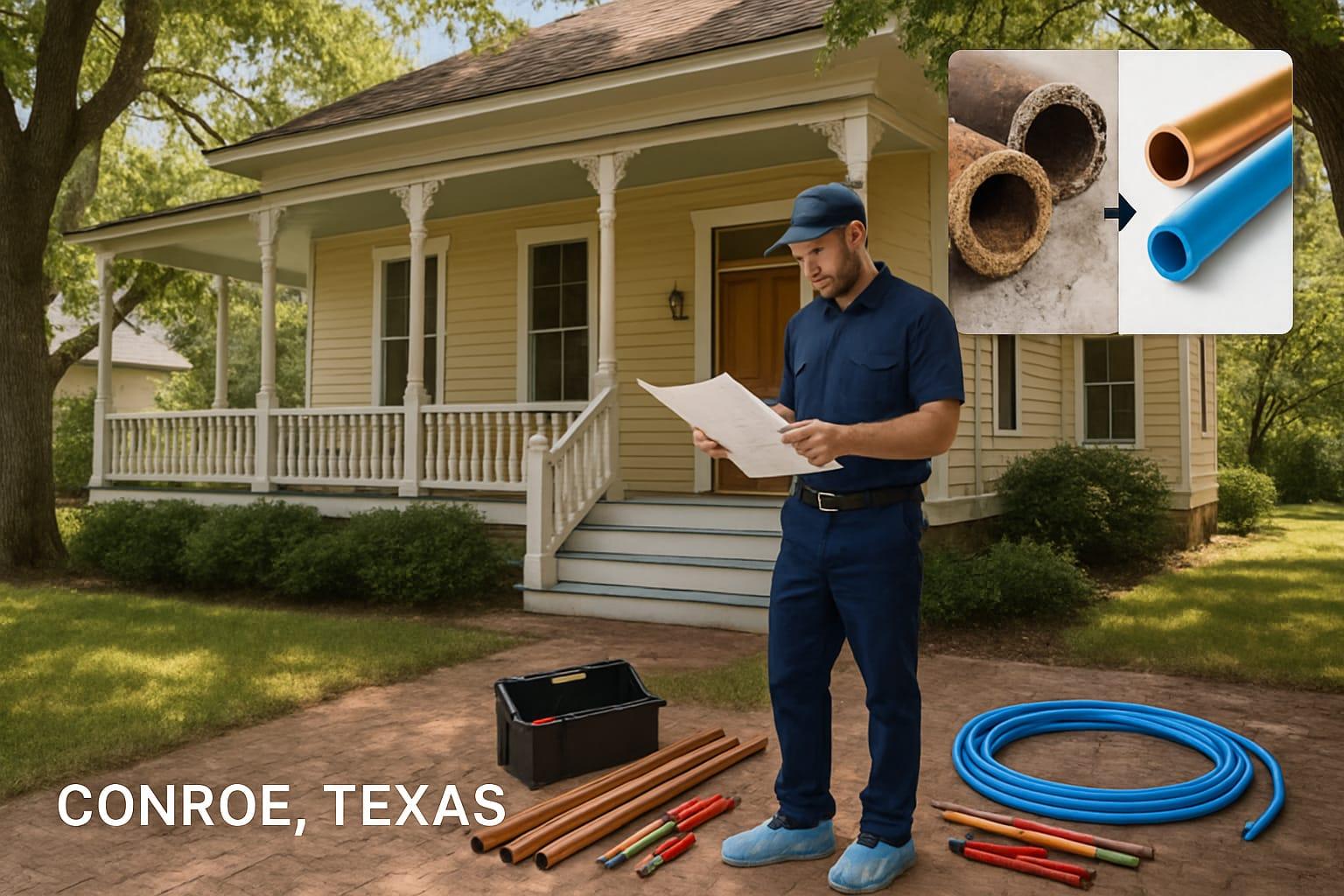
In a Conroe house, those pipes usually run through the attic, inside walls, or under a slab foundation, which is exactly why trouble can hide for a long time. Older homes may have galvanized steel or copper. Newer repipes are usually PEX or copper. PEX is flexible, resists corrosion and typically needs fewer openings in your walls, and we explain our options before any work starts.
How to Look After Aging Pipes
Most of this is plain homeowner common sense, and you don’t need a single tool.
- Find your water main shutoff and make sure it turns. If a pipe lets go, that’s the first thing you reach for.
- Look under every sink and around the water heater a few times a year for drips, damp spots and crusty residue.
- Glance at your water meter with everything off. If it’s still moving, water is going somewhere.
- Skip chemical drain cleaners on old pipes. They’re hard on aging metal, and a plumber can clear a clog without them.
- Keep an eye on water pressure. Pressure that’s too high strains every joint in the house, and a simple gauge on a hose bib will tell you where you stand.
- Flush your water heater about once a year so scale doesn’t build up and send problems through the lines.
Where to stop: don’t cut into walls, patch a leaking supply line with tape, or open a gas line. If you’re wondering whether something is a pipe problem, that’s a good time to call us.
When It’s More Than Maintenance: Signs Your House Needs Repiping
Here’s what we’d watch for, in the order you’d probably notice it.
What You’ll See
If your hot water looks brown or orange, rusty hot water is a sign the inside of the pipes is corroding, and it’s worth a look. Pinhole leaks, green or white crust on copper, stains spreading across a ceiling, and bubbling paint are the same story. So is a water bill that’s suddenly high when nobody’s changed their habits.
What You’ll Hear
Pipes that knock, tick or whistle when you run water deserve a second thought, especially when the sound is new. Noise alone doesn’t mean repiping, but it’s one more reason to have someone look.
What You’ll Feel
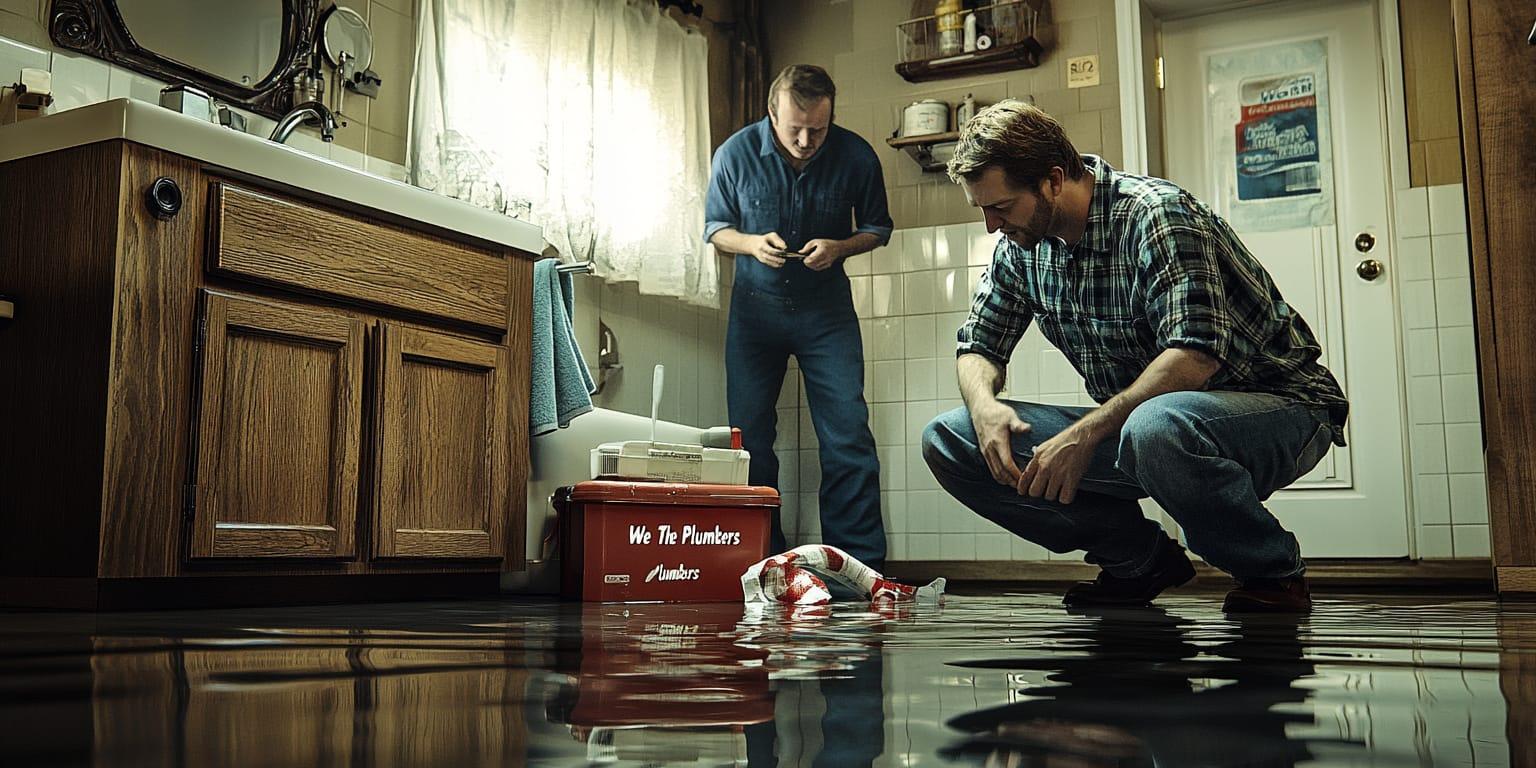
If low water pressure is in the whole house and not just one shower, narrowed or corroded pipes are a common cause. Another sign is a warm spot on the floor, which can mean a hot water line leaking under a slab. Don’t wait on that one.
One leak doesn’t mean your whole house needs new pipes. Repeated leaks in different spots, though, usually mean the pipe itself is giving up, and repairing them one at a time stops making sense.
When to Call a Plumber for Repiping
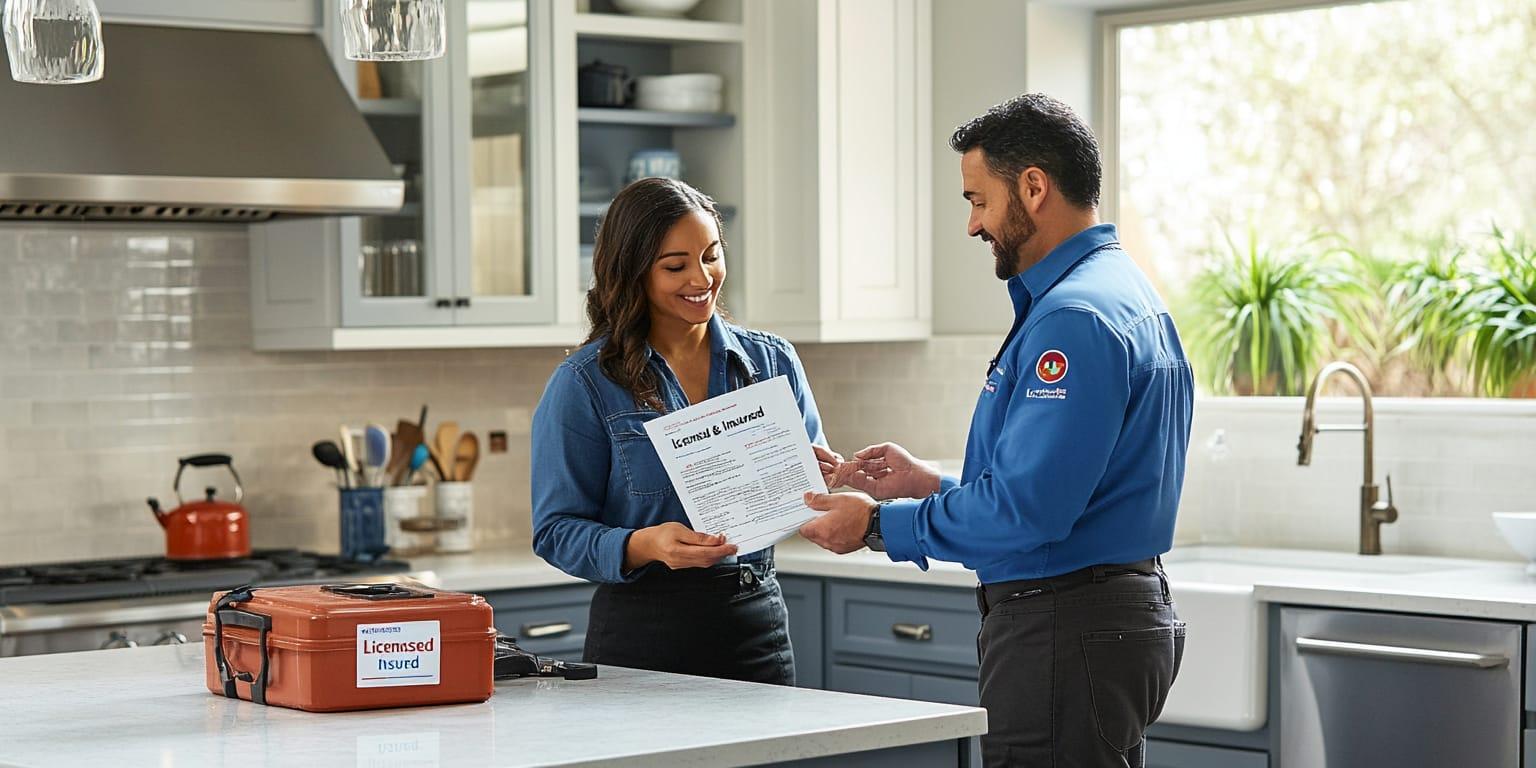
You can handle the maintenance. When it’s time for more than that, we’re a local, licensed master plumber. Dean Stewart holds the Texas master plumber license, and we live and work here, so we’ll probably run into you at the grocery store. Hopefully you never need us, but if you do, we’re right here and we’ll take care of it.
Plenty of folks call us when a simple fix didn’t hold, or for a second opinion on what another plumber told them. That’s fine by us. We’d rather tell you honestly that a repair will do than sell you a repipe you don’t need.
Here’s what happens with a repipe. Our master plumber looks over the house, how the pipes run and how much work it involves, then explains the options and writes up an estimate before anything starts. Repiping replaces the supply lines through the house, usually with PEX, and can improve pressure along the way. It’s a project, so we treat your home with respect, talk you through each step, and clean up when we’re done.
Getting started is simple: fill out the request form, pick an arrival window that works for you, and one of our plumbers comes out to you.
Help is on the way in Montgomery County.
Have a plumbing problem like this?
We're a Marine veteran-owned plumbing company in Conroe. Tell us what's going on and we'll take it from there.