Some plumbing myths get passed around so often that everybody treats them as fact. We hear them from Conroe homeowners all the time, and nobody should feel foolish about it. They sound reasonable. They just happen to be wrong, and the wrong ones tend to end with a slow drain or a wet floor.
Here are three plumbing myths worth dropping, starting with the one behind most of the clogs we see.
Why Plumbing Myths Cost You Time and Money
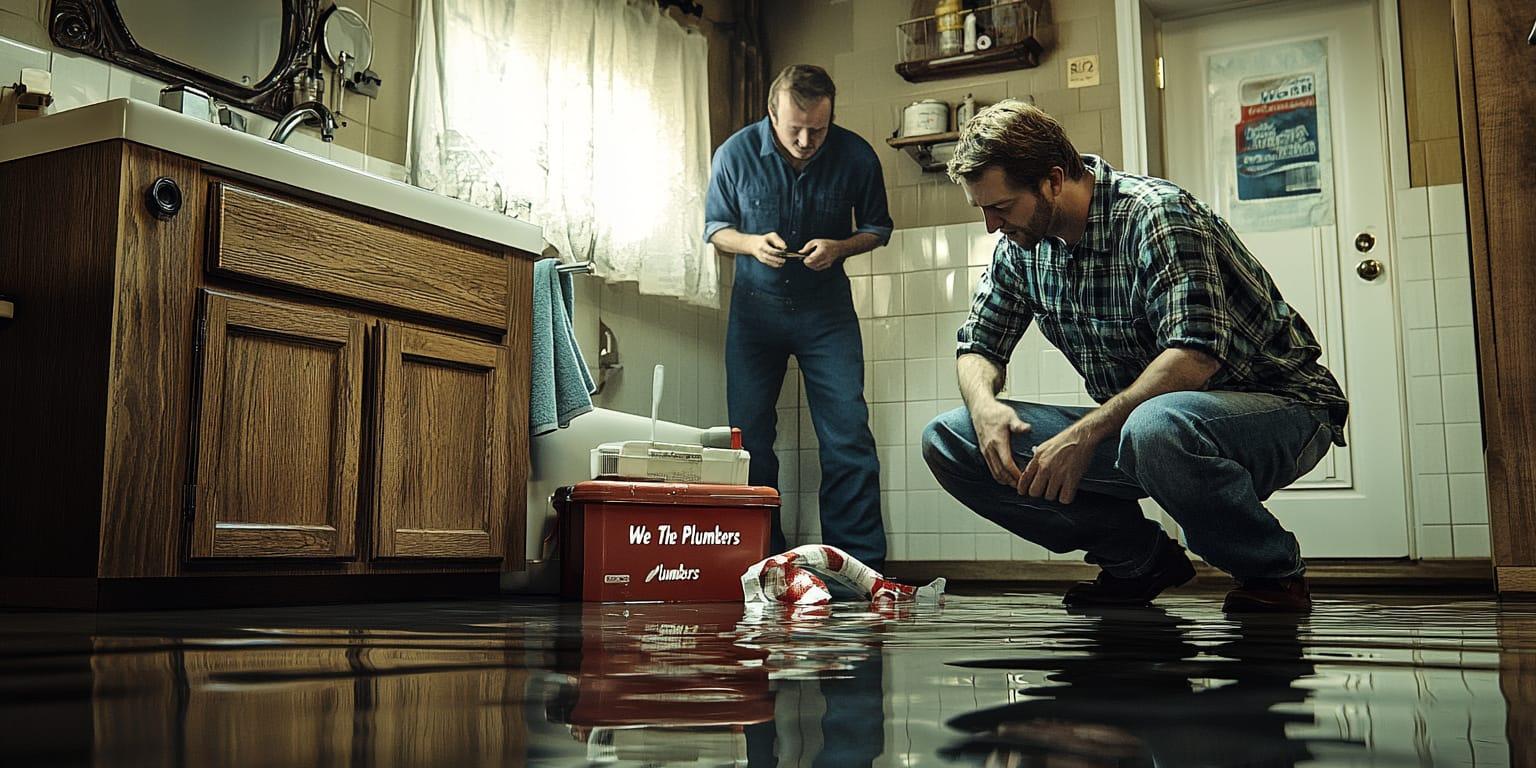
A myth feels harmless until it’s your kitchen floor. Believe that anything flushes and you end up with a clog at the worst moment. Believe that fixtures last forever and the first sign of wear is water where it shouldn’t be. Believe that every drip needs a plumber and you pay for a visit you didn’t need, or ignore one you did.
Getting these right saves you money, but it also saves your time, which is the part nobody gets back.
What the Three Myths Get Wrong
Myth 1: You Can Flush Anything Down the Toilet
Toilets are tougher than they look, but they’re built for human waste and toilet paper. That’s it. Anything else is borrowing trouble.
Despite the “flushable” label, many wipes don’t break down the way toilet paper does. They hang together, catch on a rough spot in the pipe and collect whatever else comes along. Paper towels, feminine hygiene products, dental floss, cotton swabs, cat litter and medications don’t belong in there either.
Grease is the sneaky one, and it’s a kitchen sink problem more than a toilet one. It goes down hot and runny, then cools and coats the inside of the pipe. A little more every week, and a pipe that carried water fine last year starts to narrow.
That’s the honest answer to why your drain keeps clogging. Usually it isn’t one big event. It’s a slow buildup that finally catches something.
Myth 2: Plumbing Fixtures Last Forever
Nothing in your plumbing lasts forever. Every part wears out eventually, and most give you some warning first.
Rough lifespans, depending on the materials, how much they’re used and how well they’re looked after:
- Quality brass faucets: 15 to 20 years. Standard faucets: 10 to 15.
- Toilets: 10 to 20 years.
- Showerheads: about 8 to 10 years.
- Water heaters: about 8 to 12 years.
- Pipes: 50 to 100 years, depending on the material.
Here in Montgomery County, hard water speeds up wear on fixtures, so a little upkeep goes further than you’d think.
Myth 3: All Leaky Faucets Require a Professional
This one is half true, so we’ll be fair about it. Plenty of faucet drips are an easy do-it-yourself job.
A worn washer, a loose part or some mineral buildup is often fixable with a wrench, a screwdriver and plumber’s tape. Replacing an O-ring, cleaning the aerator, tightening a loose connection or swapping a cartridge is well within reach for a lot of people.
How to Do It Right
A few habits keep most of this from ever reaching us:
- Put wipes, floss and the rest in a small bathroom trash can with a lid.
- Let cooking grease cool, then toss it in the trash. Wipe greasy pans with a paper towel before washing.
- Skip the chemical drain cleaners, especially on older pipes. They can be hard on the pipe and aren’t a fix for a clog that keeps coming back.
- Fix small drips early, clean aerators and showerheads, and keep water pressure in a sane range.
- Go easy on harsh cleaners, and keep track of how old your fixtures are.
- Have a professional plumbing inspection now and then.
If one sink or tub is slow, pulling the stopper and clearing the hair is a fair first try. That’s the most common clog there is, and you don’t need us for it.
When It’s More Than a Myth
Prevention goes a long way, but it can’t undo years of buildup. Here’s what to watch for, and when we’d stop plunging and call.
What You’ll See and Hear
If water comes up in a tub or floor drain, or several drains are backing up at once, the problem is past your fixtures, out on the main line to the street. The same goes for a toilet that gurgles when the sink drains.
What You’ll Feel
A drain that’s slow once in a while is normal. The same drain clogging more than once this year is not, and that points to buildup further down the line.
On the faucet side, if a faucet keeps dripping after you’ve tried the repairs above, if more than one fixture is leaking, or if you see water damage inside a wall, stop and call us. Ignoring those signs means higher water bills and damage that costs more to fix later.
Who to Call When It’s Time
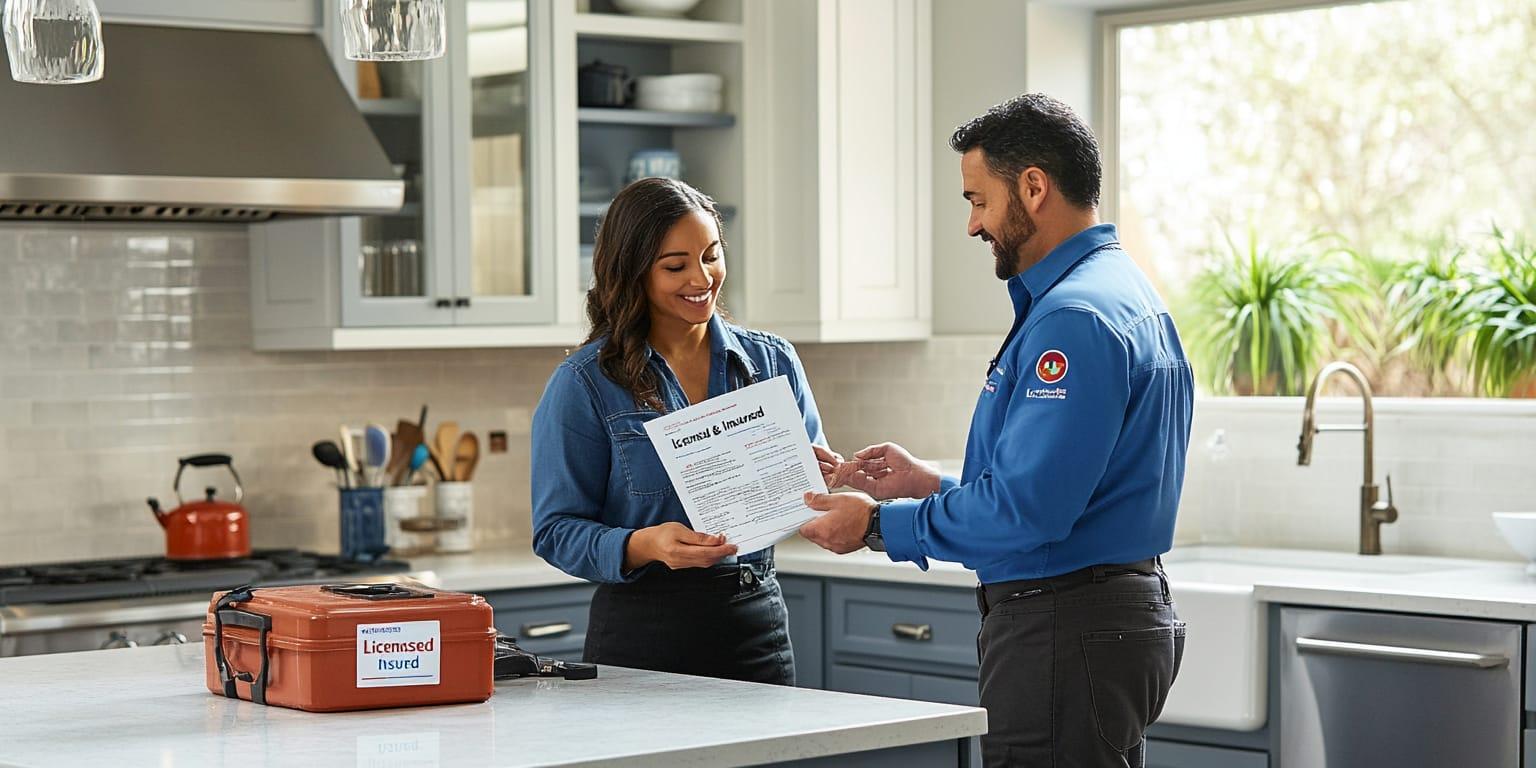
You can handle the maintenance. When it needs a pro, we’re a local, licensed master plumber, and Dean Stewart holds the Texas master plumber license. Hopefully you never need us, but if you do, we’re right here and we’ll take care of it. Plenty of people also call us when a simple fix didn’t hold, or for a second opinion on what another plumber told them.
Here’s how it goes. You fill out the request form, pick an arrival window that works for you, and one of our plumbers comes out. For a stubborn clog, we figure out where the blockage is, starting from the closest access point, and clear it with drain cleaning. If the same drain keeps clogging, we may suggest a camera look at the line before more cleaning. Either way, we explain what we found and what it will take before any work starts, and we clean up after ourselves.
Help is on the way in Montgomery County.
Have a plumbing problem like this?
We're a Marine veteran-owned plumbing company in Conroe. Tell us what's going on and we'll take it from there.